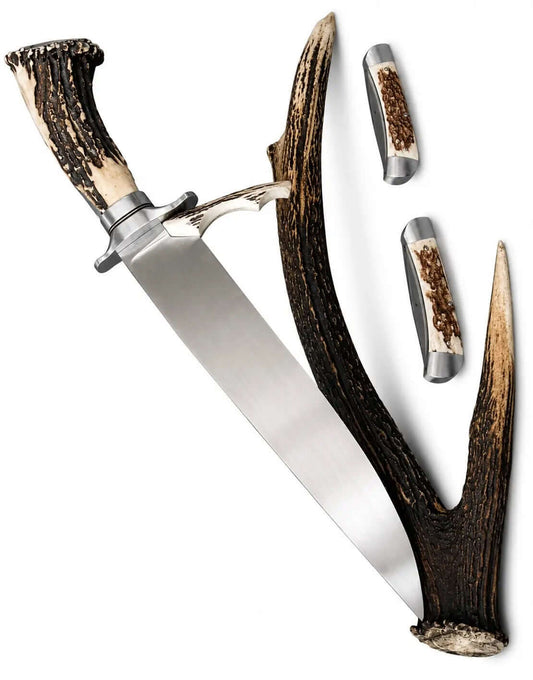
Handmade Hunting Knives for Field Use and Collection
A good hunting knife is defined less by decoration or overall size than by how its blade shape, handle, steel, and construction suit the work it is intended to perform. Hunting knives cover several closely related designs, from compact skinners made for controlled cutting to larger fixed blades that provide more cutting edge for general outdoor tasks.
This collection focuses on the traditional fixed-blade side of the category, including handmade hunting knives, skinner-style blades, gut-hook designs, and broader hunter profiles. Individual designs vary, so the right choice depends on how you expect to use the knife, the type of blade shape you prefer, and how much maintenance you want from the steel.
For buyers comparing hunting knives for deer, field dressing, outdoor use, or collecting, those differences matter more than simply choosing the largest blade.
Main Types of Hunting Knives
Fixed-Blade Hunting Knives
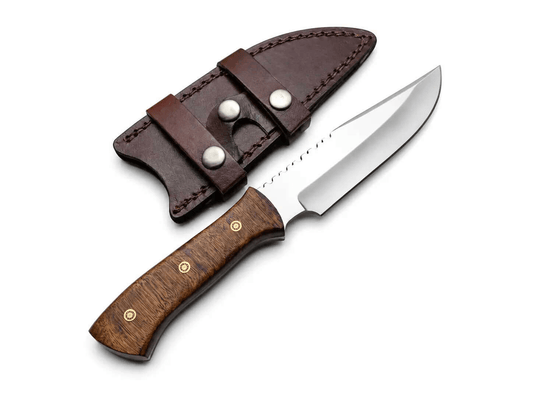
A fixed blade hunting knife keeps the blade and handle in one rigid working form, making it a traditional choice for outdoor and game-processing tasks. Fixed blades are straightforward to clean because there is no folding pivot, and the design allows the user to choose from compact skinners through to larger hunter-style profiles.
When comparing fixed blade hunting knives, look at the overall proportions rather than blade length alone. A manageable blade with good hand clearance and a comfortable handle can provide more control than an oversized design.
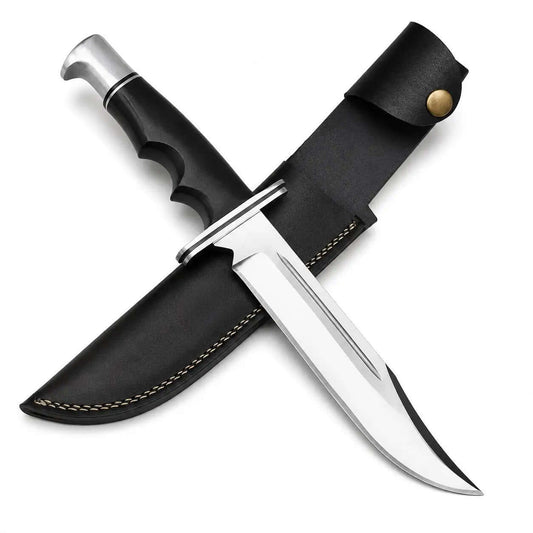
A hunting knife with sheath also gives the blade a dedicated way to be stored and carried when not in use. Sheath material and construction vary by individual product, so check the product specifications before choosing.
Skinning Knives
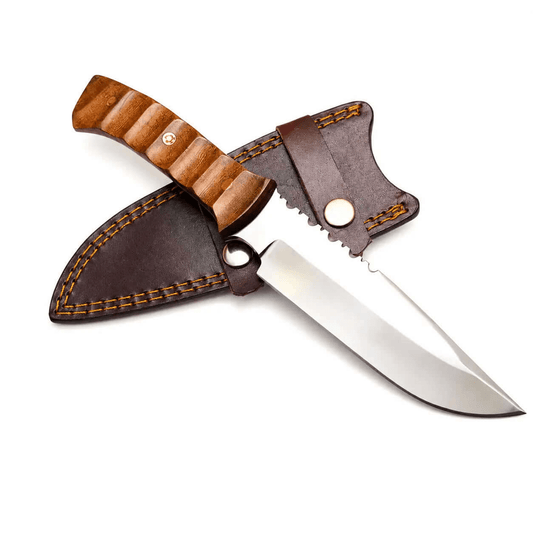
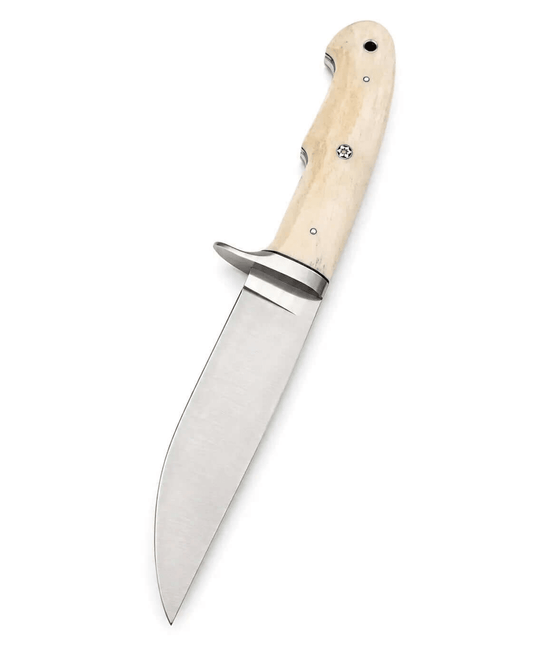
Skinning knives use a blade profile intended to provide controlled cutting along the hide. Many skinner designs have a noticeable curved belly because the longer sweeping edge suits this style of work.
A compact deer skinning knife can be especially useful when control matters more than reach. Larger skinning profiles provide more cutting edge, while smaller versions can feel easier to maneuver around detailed areas.
The term skinner knife describes the blade's intended role rather than one fixed shape. Some designs have a deep belly and lowered point, while others combine a general hunting profile with enough curve to handle skinning work.
Gut-Hook Hunting Knives
Gut-hook designs add a sharpened hook section to the spine of the blade. This creates a more specialized profile than a conventional hunting knife and is commonly associated with opening hide during field dressing.
Some buyers prefer a traditional plain-spine blade because of its simpler shape, while others specifically want a gut hook as part of their hunting kit. The better choice depends on your preferred method and whether you want a specialized feature or a more general-purpose blade.
Bowie-Influenced Hunting Profiles
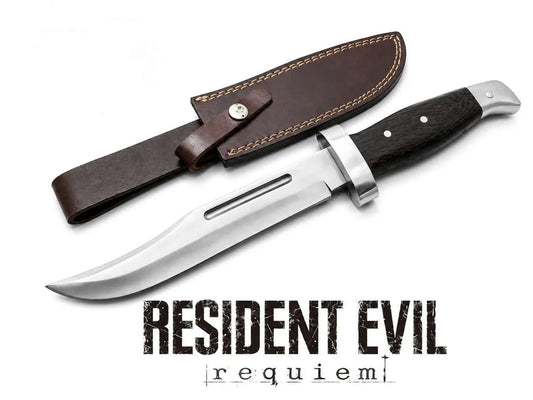
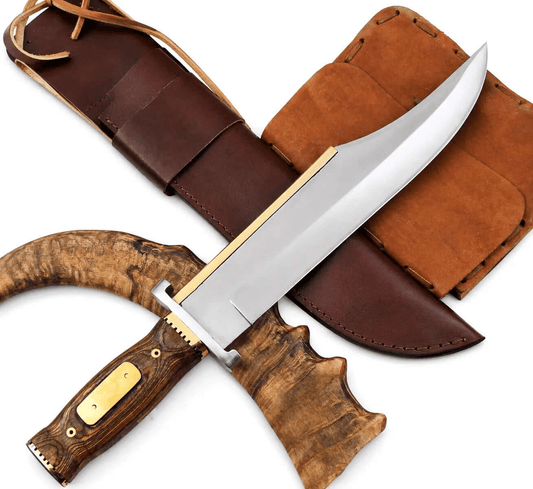
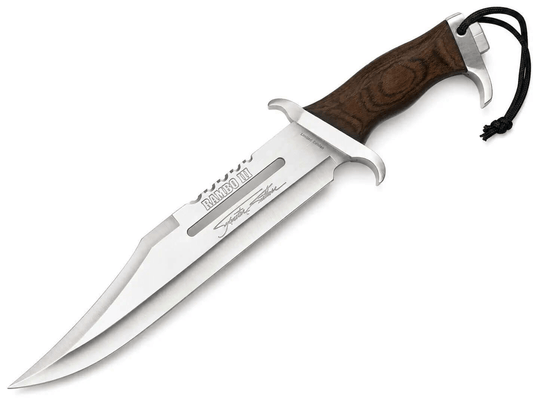
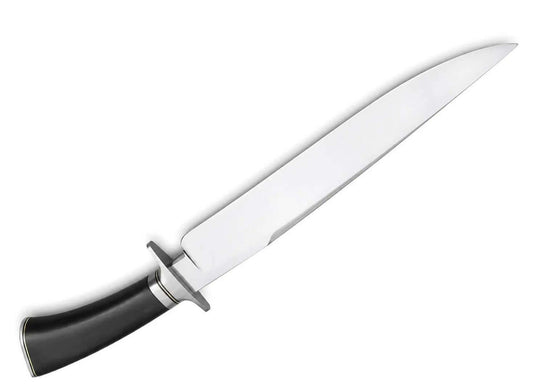
Larger hunting knives sometimes share design elements with Bowie knives, including longer blades, pronounced clip points, guards, and substantial handles. These designs sit closer to the heavy-duty and traditional end of the hunting-knife category.
A Bowie-style profile should not be confused with a compact skinner. The larger blade favors reach and broader outdoor cutting, while a shorter skinning knife is usually selected for closer, more controlled work.
Choosing the Right Blade Profile
Blade shape is one of the most useful ways to narrow down a hunting knife.
A drop-point or similarly controlled point keeps the tip relatively close to the centerline of the blade and usually provides a curved belly for longer cuts. This combination is widely associated with general hunting and field-dressing designs. A clip-point profile places more emphasis on a defined tip and gives the knife a more traditional hunter or Bowie appearance. Dedicated skinners usually increase the amount of curved cutting edge, while gut-hook models add a specialized feature to the spine.
There is no single profile that automatically becomes the best hunting knife for every buyer. Someone primarily interested in skinning may prefer a short blade with a broad belly, while another buyer may want a larger fixed blade that can cover several outdoor cutting tasks.
Before choosing, compare the actual blade profile, overall dimensions, handle shape, and product specifications rather than relying only on the category name.
D2, Damascus and High-Carbon Hunting Knives
Blade steel affects edge retention, sharpening, corrosion care, appearance, and the overall character of a knife.
D2 steel hunting knives are often chosen by buyers who value wear resistance and longer edge retention. D2 is a high-carbon, high-chromium tool steel, but it should still be cleaned and dried rather than treated as maintenance-free.
Damascus hunting knives offer a very different appearance. Pattern-welded Damascus creates visible layered patterns across the blade, which gives each handmade design a distinctive look. That combination of functional blade steel and patterned appearance also makes Damascus steel hunting knives attractive to buyers who appreciate traditional blacksmith work and collectible presentation.
High-carbon steels provide a more classic working-blade character and can be straightforward to sharpen, but they generally need more attention to moisture and surface care.
Steel alone does not determine how a knife will feel or perform. Heat treatment, blade geometry, edge profile, thickness, and intended design all matter alongside the steel name.
Handles, Grip and Sheath Style
The handle changes both the appearance of a handmade hunting knife and the way it sits in the hand.
Wood creates a traditional look and can vary naturally in grain and tone. Micarta offers a more uniform handle material and is commonly used on working fixed blades. Natural materials such as stag or other horn give a knife a more individual character because pattern, texture, and coloration vary from piece to piece. Stacked leather handles create another classic hunting-knife style with a distinctive layered appearance.
When comparing designs, look at handle length, shape, guard design, and the amount of contour rather than choosing on material alone.
A leather sheath can complement the traditional appearance of a handmade fixed blade while protecting the edge during storage and transport. Always check the individual listing for the exact sheath, handle material, and construction supplied with that knife.
How to Choose a Hunting Knife
Start with the job you expect the knife to perform most often.
For skinning and controlled game-processing work, look toward skinning knives and compact hunter profiles with useful belly in the cutting edge. For a broader outdoor knife, a conventional fixed blade with a balanced point and cutting edge may offer more versatility. Buyers interested in traditional styling may prefer wood, horn, stacked leather, Damascus patterns, or larger Bowie-influenced designs.
Then compare the steel. D2 can suit buyers who place strong value on wear resistance. Damascus offers patterned visual character alongside the functional blade. High-carbon steel appeals to buyers who prefer traditional blade material and do not mind regular maintenance.
Finally, consider size and handling. Bigger is not automatically better for hunting tasks. A blade that feels proportionate to the work can offer better control than a longer knife chosen mainly for appearance.
Collectors may make the opposite decision and give more weight to forging style, handle material, blade pattern, or the overall visual character of the piece. Both approaches belong within the wider hunting-knife category, but they lead to different choices.
Caring for a Hunting Knife
Care requirements depend on the steel and handle materials used in the individual knife, but a few basic habits apply broadly.
Clean the blade after use, dry it thoroughly before storage, and avoid leaving moisture on carbon-rich steels. A light protective oil can help reduce surface oxidation on steels that require corrosion care. Keep the cutting edge properly maintained rather than waiting until it becomes heavily dulled.
Leather sheaths should also be kept dry. For longer-term storage, avoid putting away a damp blade or sheath, particularly when the knife uses carbon steel or natural handle materials.
Always follow the care requirements of the specific steel and construction listed on the product page.
FAQ About Hunting Knives
What is the difference between a hunting knife and a skinning knife?
A hunting knife is the broader category and may be designed for several outdoor and game-processing tasks. A skinning knife is more specialized, normally using a blade shape with additional curve or belly to support controlled cuts while separating hide.
Are fixed-blade hunting knives better than folding knives?
They serve different preferences. Fixed blades have no folding mechanism and are straightforward to access and clean, which is why they are widely associated with traditional hunting use. Folding knives are more compact, but the pivot and internal mechanism require additional cleaning.
This collection is primarily centered on handmade fixed-blade designs.
What steel should I choose for a hunting knife?
Choose according to the balance you want between edge retention, sharpening, corrosion care, and appearance. D2 is valued for wear resistance, high-carbon steels have a traditional working-blade character, and Damascus appeals to buyers who want visible layered patterns as well as a functional handmade blade.
What should I look for in a deer skinning knife?
Pay attention to blade control, the amount of curved cutting edge, handle comfort, and overall size. A compact skinner with a useful belly can be easier to maneuver than an unnecessarily long blade during detailed work.
Browse the available hunting knives, compare the blade profiles, steels, handle materials, and sheath styles, and choose the design that best matches the way you intend to use or collect it.