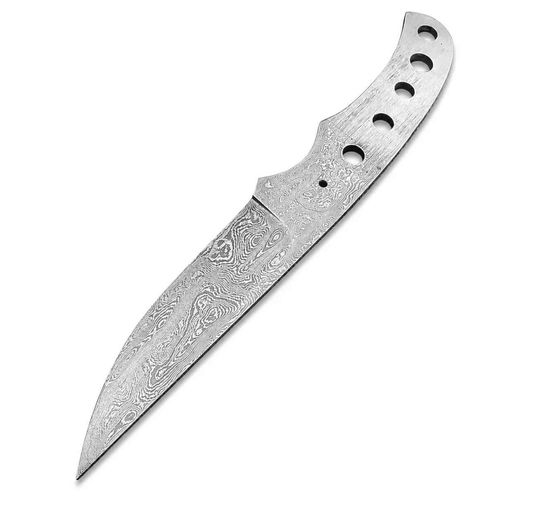
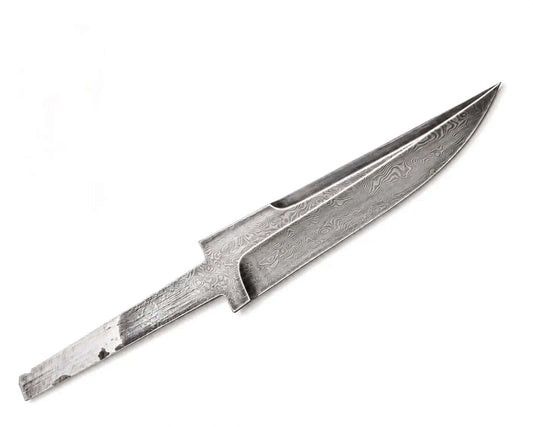
How Bulk Knife Blanks Work
A knife blank lot is a set of pre-shaped blades sold together, with no handles fitted. Buying in a lot rather than one blank at a time keeps your profiles and steel consistent across a run of knives, lowers the cost of each blank and means you aren't waiting on a new order every time you finish a build. For anyone who makes more than the occasional knife, bulk knife blanks are the simplest way to keep the bench supplied.
Choosing a Lot Size
Small Sets: 2 to 8 Pieces
A matched pair or a set of five to eight blanks suits hobby makers and handle makers. You can build a pair of matching knives, compare two handle materials side by side or practice your scale fitting on several identical blades before working on a special piece. Small sets are also a sensible way to test a new steel or profile before committing to a larger lot.
Bulk Lots: 10 to 50 Pieces and Up
Larger knife blade blanks in bulk are aimed at makers who sell finished knives, workshops that teach knife making and small businesses that keep stock for repeat builds. The bigger the lot, the more the cost per blank usually drops, and having a stack of identical blanks lets you batch the work: cut all the scales, drill all the pins and glue up in one session.
Matched Lots vs. Mixed Lots
A matched lot contains blanks of the same profile and steel. It's the right choice when you want consistent results, plan to sell a line of the same knife or need several identical blades for a class.
A mixed lot brings different profiles together, for example drop point, clip point and skinner shapes in one set. It gives you variety for experimenting, filling a range of customer requests or deciding which shapes you enjoy building most. Check the photos on mixed lots, since the exact shapes can vary from set to set.
Blade Profiles in Knife Blank Lots
Hunting profiles are the most common in bulk. A drop point has a strong tip and a long curved belly for field dressing, a spear point centers the tip for general use, and a skinner has a short upswept blade for working under the hide. See single sets in our hunting knife blanks.
Bowie lots suit makers who sell larger fixed blades, with a clip point and a longer blade that needs a solid handle. Bushcraft lots have straighter edges and thicker spines for carving and camp work. Seax blanks have a long straight back that angles down to the tip, a shape that appeals to buyers of historical-style knives.
Kitchen blanks also come in sets: chef, paring, steak and fillet blanks let you build a full matched knife set with one handle material. Steak knife blanks in particular are usually bought in sets of four to six so the finished knives match at the table.
Steels for Batch Builds
Damascus lots are pattern-welded from layers of different steels and etched to show the pattern. Finished Damascus knives usually sell for more, which makes these lots popular with makers building to sell. Compare patterns and profiles in our Damascus knife blanks.
High carbon steels such as 1095 are easy to sharpen and forgiving to work, which makes them a good-value choice for practice builds, classes and working knives. They aren't stainless, so a large lot needs rust care in storage.
440C stainless resists rust far better and suits kitchen, fishing and low-maintenance knives. D2 tool steel holds an edge for a long time and resists staining, though it's slower to sharpen and finish.
What to Check Before Buying in Bulk
With 10 or 50 blanks, a small mismatch repeats across the whole order, so check the details before you buy:
Dimensions: confirm overall length, blade length and handle length, and make sure the handle length fits the scale stock you buy.
Tang and pin holes: full tang blanks take two pinned scales, while hidden tang blanks need a drilled one-piece handle. Pin hole size and spacing decide which pins and bolts you can order in bulk.
Heat treatment and edge: some blanks arrive hardened and tempered, others need heat treatment, and edges may be sharpened or left for you to finish. This changes how much work each knife takes.
Piece-to-piece variation: handmade blanks can differ slightly in shape, thickness or pattern within a lot. That's part of their character, but plan your scales with a little extra material.
Storing a Large Lot
Carbon and Damascus blanks in a bulk lot can sit for months before you use them. Wipe them clean, give each one a light coat of mineral or camellia oil and store them somewhere dry, ideally wrapped individually so they don't rub against each other. Stainless blanks need less care but still benefit from dry storage.
Larger and Custom Quantities
If your project needs more pieces than a listed lot, a specific steel or a profile you don't see here, you can ask about wholesale and bulk orders with the quantity, steel and dimensions you need. If you'd rather resell finished knives than build them, our knife lots bring together multi-piece sets of completed knives.
Compare piece counts, steels and profiles above and choose the blank lot that matches the knives you plan to build.