Handmade Skinning Knives for Field Use
A skinning knife is defined primarily by its blade profile and the controlled cutting role it serves during field processing. Unlike a general-purpose hunting knife, a skinner is selected more specifically for working around hide and following curved surfaces with controlled cuts.
That specialisation makes blade shape one of the most important differences between skinning knives. Many skinner-style blades emphasise a useful amount of curved cutting edge, while other designs use more restrained profiles that balance skinning with broader field utility.
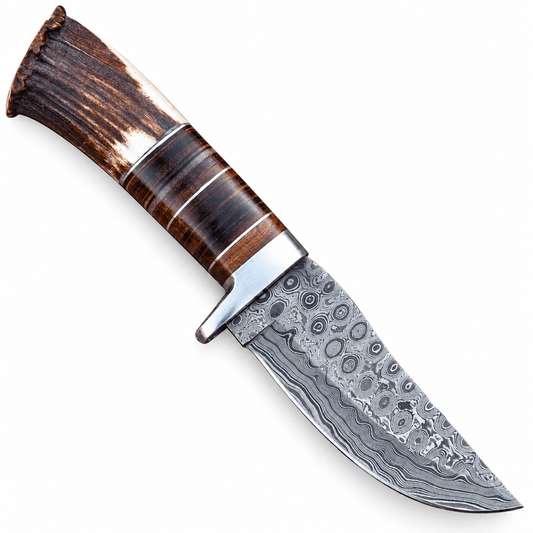
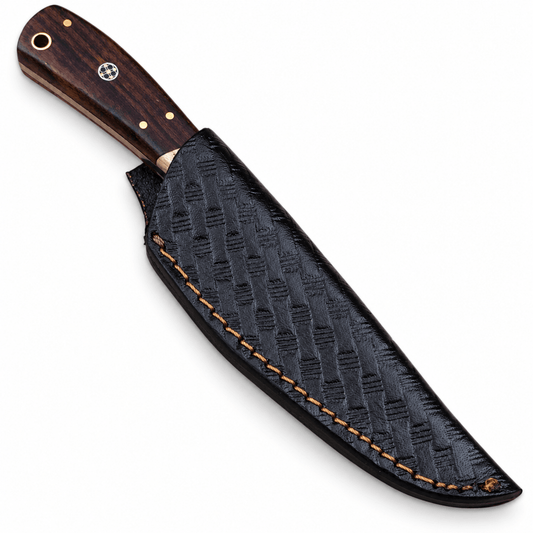
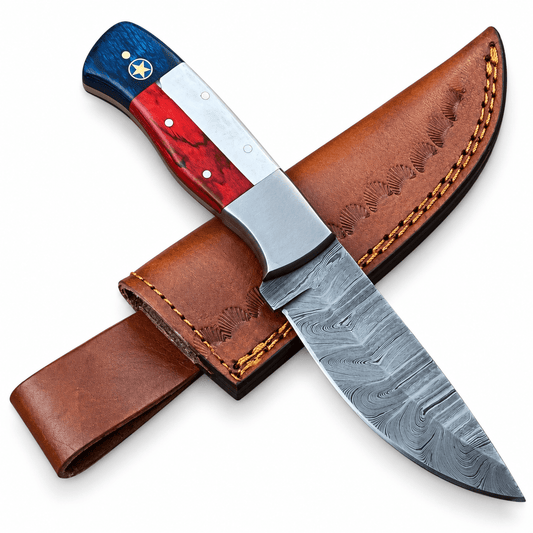
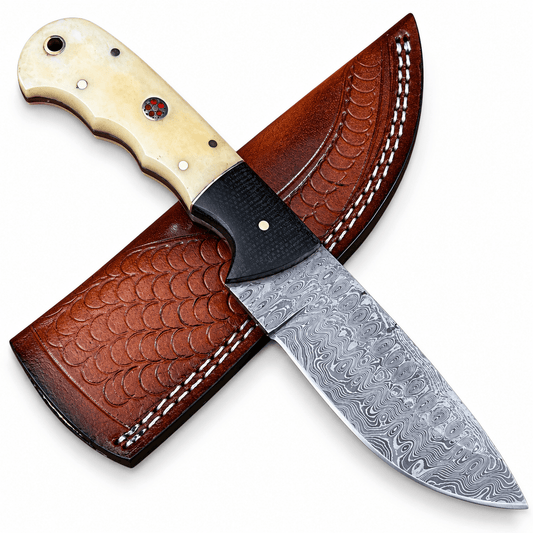
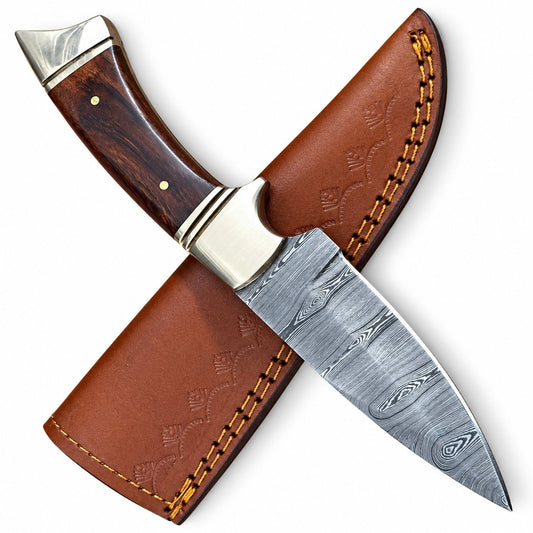
When comparing handmade skinners, look beyond overall blade length. Edge shape, point profile, blade width, handle proportions, construction, and the complete knife-and-sheath setup can all influence which design best matches your preferences.
Deer Skinning Knives and Field Dressing
A deer skinning knife is one of the most common ways shoppers narrow this category because deer processing places clear emphasis on controlled skinning and field work.
However, a knife used during field dressing does not have to perform every task in exactly the same way. A dedicated skinner may emphasise hide removal, while another field dressing knife may use a more general blade profile intended to handle several stages of game processing.
This distinction is useful when choosing between products. If skinning is the main priority, focus first on blade shape and control. If you want one knife for broader field tasks, compare more general hunting profiles as well.
The wider hunting knives collection provides those broader options, while this collection remains centred specifically on skinning-oriented designs.
Skinner Knives and Blade Shape
The term skinner knife generally refers to the same product family as a skinning knife, but individual designs can look very different.
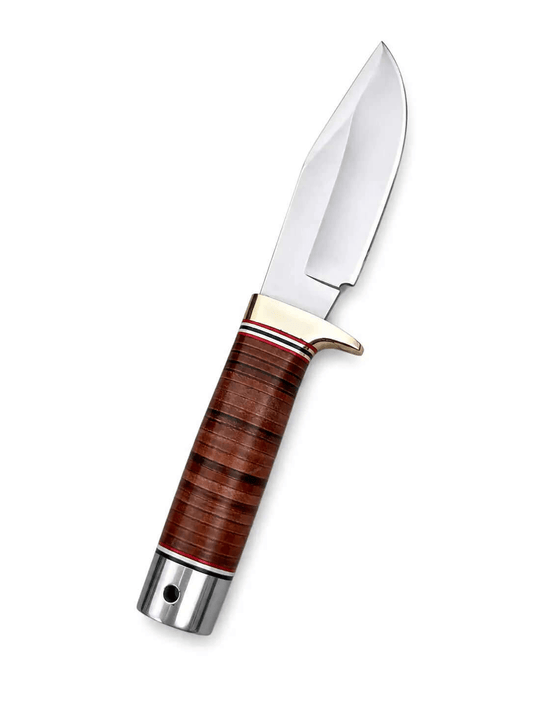
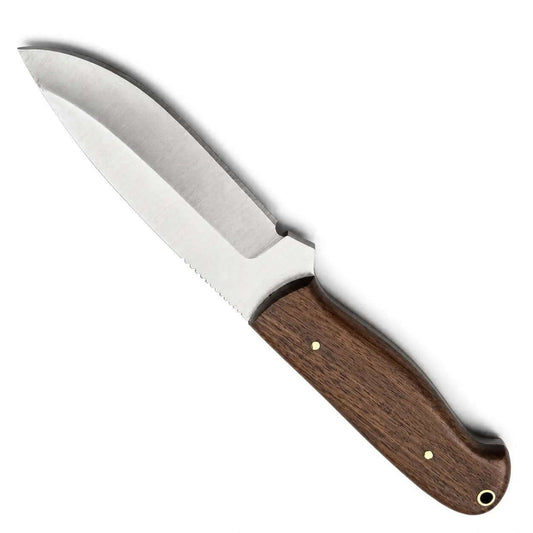
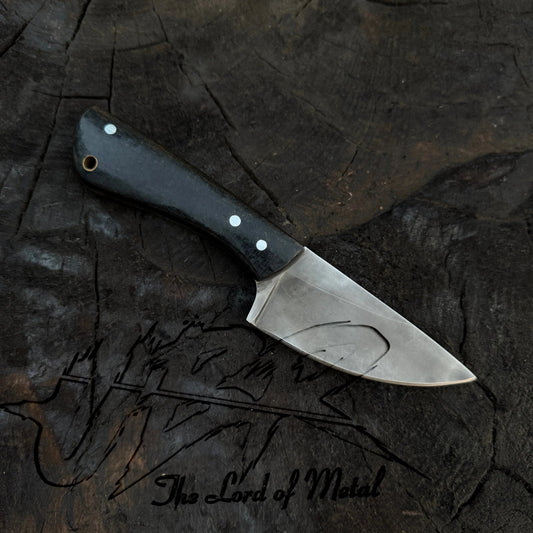
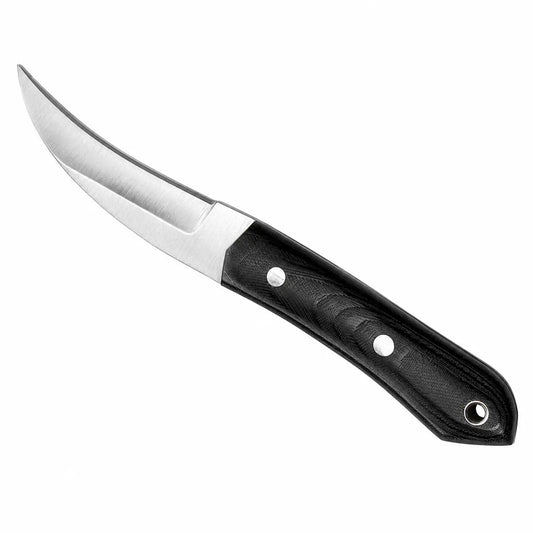
Some skinner profiles use a noticeably curved belly, helping create more cutting-edge contact through sweeping motions. Others use a straighter section combined with a moderate curve, giving the knife a more general-purpose appearance.
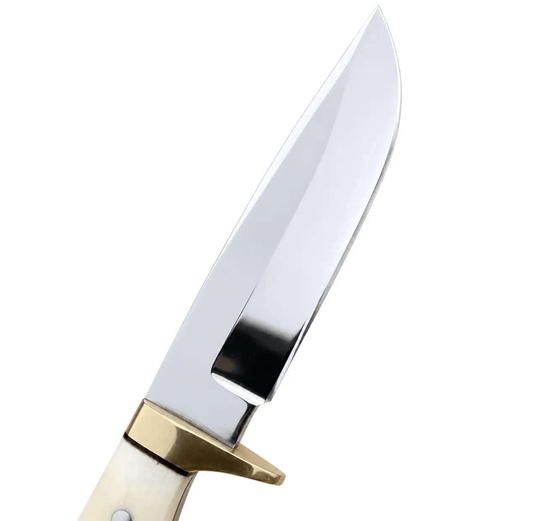
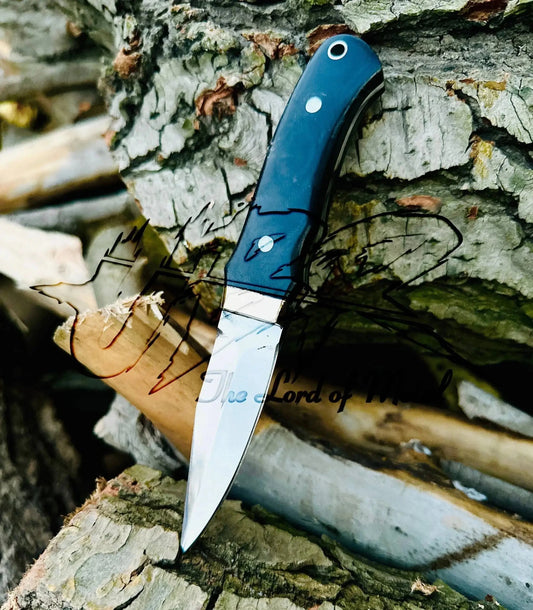
Point design matters as well. A very pronounced point creates a different working profile from a more rounded or restrained tip.
Because these characteristics vary from knife to knife, product photographs and measurements are more useful than assuming every skinner follows one standard shape.
Fixed-Blade Skinning Knives
A fixed blade skinning knife uses a solid, non-folding format and is closely associated with hunting and field knives.
Fixed-blade designs can range from compact skinners to larger hunting knives with skinning-oriented profiles. Blade length alone does not determine which is better. The relationship between blade length, handle size, edge curve, and overall proportions is more important.
When comparing a fixed-blade skinning knife, review:
- Blade profile and cutting-edge shape
- Blade and overall length
- Handle dimensions
- Construction details
- Sheath design
- Individual product specifications
These details help distinguish a compact skinner from a larger field knife even when both belong to the same collection.
Skinning Knives, Gutting Knives and Gut-Hook Designs
Skinning and gutting are related parts of field processing, but skinning knives and gutting knives should not automatically be treated as identical designs.
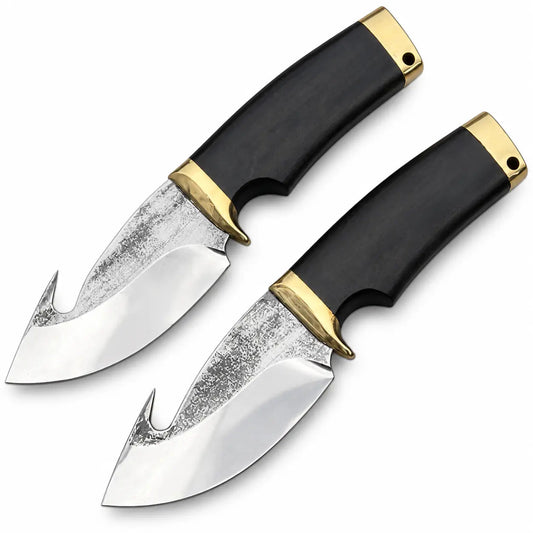
A conventional skinning knife centres on the main blade profile. A gut-hook design adds a specialised hook to the blade, changing both the appearance and intended field function of the knife.
Where available, skinning knives with gut hook features should be compared separately from plain-edge skinners because the added hook creates a more specialised design.
Shoppers who prefer a simpler blade may choose a conventional skinner, while those interested in a combined field-processing format may prefer a gut-hook style.
Always check the exact individual product before assuming a particular knife includes this feature.
Choosing a Skinning Knife by Size
There is no single correct size for every hunter or field-processing setup.
A small skinning knife can provide compact proportions and controlled handling, while a larger skinner offers more blade area and a more substantial overall design.
Instead of choosing by labels such as small or large alone, compare actual measurements.
Blade Length
Blade length affects the overall scale of the knife, but it should be considered together with edge shape and blade width.
Handle Length
The handle should also be proportionate to the blade. Two knives with similar blade lengths can feel very different if one uses a larger or thicker handle.
Overall Size
Check the complete knife length and sheath dimensions when considering how the knife will fit with the rest of your field equipment.
Handmade and Custom Skinning Knives
A handmade skinning knife can differ from another in blade profile, finish, handle appearance, sheath details, and other handcrafted characteristics.
These differences allow shoppers to compare more than standardised measurements. The shape of the blade, relationship between blade and handle, finishing, and overall craftsmanship can give each knife a noticeably different character.
Where customisation is offered, custom skinning knives can provide another option for buyers who want a particular combination of dimensions, handle appearance, material, or finishing details.
The exact customisation possibilities depend on the individual design and should be confirmed rather than assumed across the complete collection.
Steel Choice and Individual Specifications
Skinning knives can be made from different blade steels, and the exact material should always be confirmed on the individual product page.
Steel is important, but it should not become the only selection factor. A suitable skinning knife also depends on blade geometry, profile, dimensions, construction, handle design, and maintenance requirements.
Shoppers specifically interested in patterned-steel field knives can also compare Damascus hunting knives, while this collection remains organised around the skinning function rather than one steel type.
This keeps the category focused: choose the skinner profile first, then compare the materials and specifications available within the individual designs.
Skinning Knives vs General Hunting Knives
A skinning knife belongs within the broader hunting-knife family, but the two categories serve different browsing needs.
General hunting knives can include multiple blade styles intended for different field tasks. Skinning knives narrow that range towards skinner-oriented profiles.
Someone looking specifically for hide-processing blade geometry should therefore begin here. A shopper who wants to compare skinners against general fixed blades, gut-hook knives, or other hunting profiles may prefer the broader Hunting Knives collection.
Keeping those categories separate makes it easier to compare products according to their primary design purpose rather than treating every outdoor fixed blade as interchangeable.
Compare Skinning Knives by the Complete Design
The right skinning knife should be selected by more than blade length or appearance.
Compare available skinning knives by blade profile, edge curve, point shape, dimensions, handle design, construction, sheath, and individual specifications. Whether you prefer a compact skinner, deer skinning knife, fixed-blade design, or a more specialised field profile, choose the knife whose complete geometry best matches the type of hunting and field work you plan for.