KA-BAR Knives and the Classic Fixed-Blade Design Tradition
KA-BAR Knives are closely associated with a distinctive fixed-blade design that has remained recognizable for generations. The familiar form typically combines a substantial straight-backed or clip-point blade profile, protective guard, full-sized handle, and a purposeful overall shape that has made KA-BAR-style knives popular among collectors, outdoor enthusiasts, historical-design enthusiasts, and shoppers looking for traditional fixed blades.
The category includes more than one interpretation of a single pattern. Handmade versions can differ in blade steel, finish, handle construction, guard design, sheath style, proportions, and decorative detailing. Some shoppers search specifically for a KA-BAR USMC knife, while others look for a classic KA-BAR knife, stacked leather handle knife, USMC-style fixed blade, heritage fixed blade, or handmade KA-BAR replica.
These related searches all point toward the same broad design identity: a substantial fixed-blade knife with a recognizable silhouette and a strong connection to twentieth-century American knife heritage.
Important KA-BAR-Style Knife Designs to Compare
Traditional USMC-Inspired Profiles
One of the most familiar variations is the USMC-inspired fixed blade. Its visual identity is often defined by a long blade, pronounced point, guard between the blade and handle, and a handle shape designed to maintain the traditional proportions associated with the classic pattern.
Collectors often appreciate these designs because they are immediately recognizable. Small differences in blade shape, guard construction, handle material, pommel style, finishing, and sheath design can give each handmade interpretation its own character.
When comparing listings, examine the photographs and individual product details rather than assuming that every knife in the collection follows identical specifications.
Stacked Leather Handle Designs
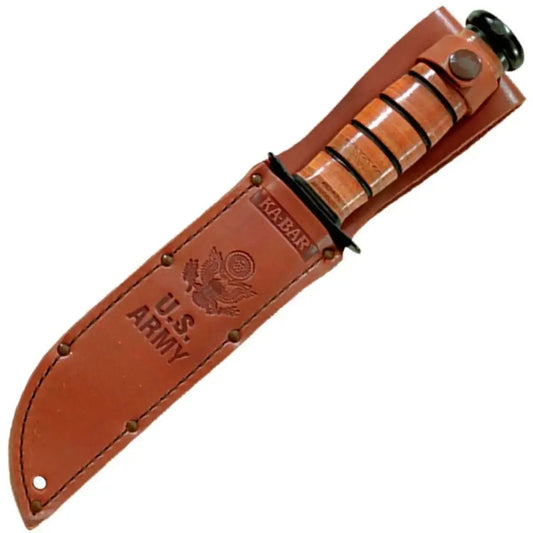
The stacked leather handle is one of the strongest visual associations with traditional KA-BAR-style knives. Leather washers or layered leather construction create a classic appearance while giving the handle a distinctive texture that differs significantly from modern synthetic grips.
For buyers interested in heritage knife designs, a stacked leather handle can be an important part of the overall appeal. Natural variations in leather tone, texture, finishing, and handmade shaping can also make artisan-produced pieces feel less uniform than mass-produced alternatives.
Handmade and Collector-Oriented Variations
Handmade KA-BAR-inspired knives can appeal to shoppers who value artisan craftsmanship rather than only factory consistency. Depending on the individual product, variations may include different steels, polished or darker finishes, alternative handle materials, decorative details, traditional guards, leather sheaths, and collector-focused presentation.
These differences allow buyers to compare a traditional-looking fixed blade with more distinctive handcrafted interpretations while remaining within the recognizable KA-BAR design family.
Blade Profiles, Materials and Craftsmanship
The blade profile is an important part of what makes this category distinctive. Many classic designs use a clipped or angled spine near the tip, producing the recognizable clip-point appearance associated with numerous traditional American fixed blades.
Blade materials can vary between individual listings. Depending on the design, products within the collection may use high carbon steel or other steels selected by the maker. Specific steel grade, hardness, thickness, finish, and construction should always be checked on the individual product page rather than assumed across the entire collection.
The same principle applies to handles and sheaths. Some designs may feature stacked leather handles, while others can use alternative materials or construction methods. Leather sheaths are especially relevant to traditional styling and can complement the historical character of a handmade fixed blade.
Artisan craftsmanship also means that finishing details matter. Blade grinding, edge geometry, guard fitting, handle shaping, pommel construction, polishing, leatherwork, and final assembly all contribute to the appearance and character of an individual piece.
Understanding the Heritage Behind KA-BAR-Style Knives
The classic KA-BAR profile became particularly well known during the twentieth century, and the name is strongly associated with the American USMC fighting/utility knife pattern introduced during the Second World War era. That historical association helped establish the design as one of the most recognizable American fixed-blade knife forms.
For collectors today, that history adds context to the design without requiring every modern interpretation to be an original period piece. Handmade replicas and heritage-inspired fixed blades can reproduce recognizable visual characteristics while being newly crafted products.
This distinction is important when comparing collectible knives. A contemporary handmade interpretation should not be confused with an original historical issue, screen-used item, officially licensed reproduction, or authenticated period artifact unless an individual listing specifically provides verified information supporting such a claim.
Choosing the Right KA-BAR Knife Style
Choosing between KA-BAR Knives becomes easier when you compare the details that actually differ between individual designs.
Start with the overall profile. Some buyers prefer a very traditional USMC-style appearance, while others may prefer a handmade interpretation with a different finish, handle treatment, or decorative character.
Next, consider handle construction. A stacked leather handle delivers a particularly traditional appearance, while alternative handle materials may create a different look and feel. Guard shape, pommel style, blade finish, and overall dimensions can further separate one design from another.
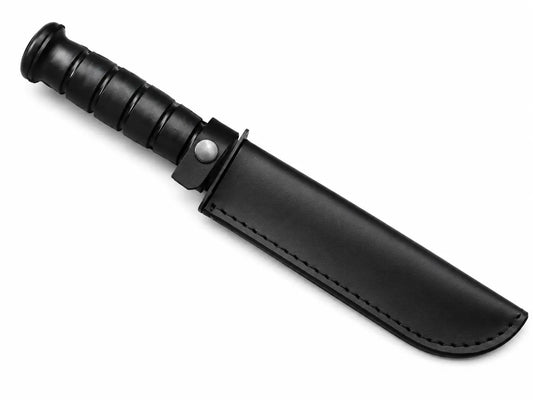
The sheath is another useful comparison point. A well-matched leather sheath can enhance the visual presentation of a heritage-inspired knife, especially for collectors who appreciate traditional leatherwork alongside forged or ground steel.
For display-focused buyers, proportions and visual accuracy may matter most. For someone primarily interested in handmade craftsmanship, blade finishing, handle shaping, material choice, and artisan details may deserve greater attention.
Always review the specifications and photographs of the exact listing because materials and dimensions can vary throughout a handmade knife collection.
Collector Appeal and Heritage-Inspired Display
Traditional fixed-blade patterns continue to attract collectors because recognizable designs create an immediate connection to knife-making history. KA-BAR-inspired pieces can fit naturally alongside Bowie Knives, historical fixed blades, collectible knives, and other heritage-oriented designs.
A handmade example also offers visual details that can make it interesting as a display piece. Leather handles develop a distinctive traditional appearance, steel finishes reflect the maker's chosen style, and individually fitted guards or sheaths can give each piece its own character.
For enthusiasts building a broader collection, KA-BAR-style fixed blades represent a distinctly different design family from large Bowie knives, modern fantasy knives, movie replica knives, or ornate historical daggers. That variety is part of their appeal.
They can also be suitable gifts for collectors who already appreciate American knife heritage, handmade fixed blades, leather-handled knives, historical replicas, or traditional outdoor knife designs.
Why Choose Unique Blades Runner
Unique Blades Runner focuses on handmade and artisan-made knife designs that combine recognizable traditional profiles with individual craftsmanship. Backed by more than 20 years of craftsmanship experience, our work includes a wide variety of fixed blades, collectible designs, historical inspirations, movie-inspired pieces, and custom projects.
Within this collection, attention is placed on recognizable KA-BAR styling, balanced proportions, handle finishing, blade presentation, and complementary leatherwork where applicable.
Because handmade products can differ in materials, dimensions, finishes, and construction, we encourage shoppers to review each listing individually. Buyers looking for a particular variation can also explore our Collectible Knives, Bowie Knives, and Custom Orders selections where relevant.
FAQ About KA-BAR Knives
What types of knives are included in this collection?
The collection focuses on fixed-blade designs inspired by the recognizable KA-BAR pattern, including traditional USMC-style knives, stacked leather handle variations, handmade interpretations, heritage designs, and collector-oriented fixed blades.
Are KA-BAR Knives handmade?
Products offered within this collection may include handmade and artisan-produced designs. Because construction can vary between listings, check the individual product description for exact materials, dimensions, handle construction, and finishing details.
What is a KA-BAR USMC-style knife?
The term generally refers to a fixed-blade design associated with the classic KA-BAR fighting/utility knife profile. Recognizable characteristics often include a substantial blade, clip-point influence, guard, full-sized handle, and traditional styling.
Do these knives have stacked leather handles?
Some designs may feature stacked leather handles, a characteristic closely associated with the traditional KA-BAR appearance. Other products can vary, so the photographs and specifications of each listing should be reviewed before choosing.
What blade steels are available?
Blade material depends on the individual knife. Some handmade designs may use high carbon steel or other blade steels, but the exact grade should always be confirmed from the specific product listing.
Are KA-BAR-style knives suitable for collectors?
Yes. KA-BAR Knives can appeal to collectors interested in classic American fixed-blade designs, USMC-inspired patterns, handmade knives, leather-handled fixed blades, historical styling, and distinctive artisan interpretations.
How should I compare different KA-BAR-style designs?
Compare the blade profile, dimensions, steel, finish, guard, handle construction, pommel, sheath, and overall traditional accuracy. These details can make two visually related knives quite different in character and collector appeal.
Explore Traditional KA-BAR-Inspired Craftsmanship
From traditional USMC-inspired profiles and stacked leather handles to handmade collector variations, this collection brings together fixed blades linked by one of the most recognizable design identities in American knife history. Browse the different KA-BAR Knives to compare materials, proportions, finishes, leatherwork, and handcrafted interpretations while finding the style that best matches your collection or appreciation for heritage knife craftsmanship.