Russian Knives and Distinctive Russian-Inspired Blade Designs
Russian Knives cover a diverse range of fixed-blade styles rather than one single standardized pattern. Russian and broader Eurasian blade traditions developed around practical working tools, outdoor use, regional craftsmanship, and designs adapted to different environments. Modern interpretations can therefore range from understated traditional forms to larger handmade collector pieces with more contemporary styling.
One of the best-known traditional designs associated with northern Russia is the Yakut knife, recognizable for its distinctive blade geometry and connection with the Sakha people of Siberia. Other Russian-style fixed blades may take inspiration from outdoor, hunting, field, and utility patterns rather than following a single historical template.
For today's collector, this variety is important. A shopper searching for a Russian fixed blade knife may be interested in traditional craftsmanship, while another may prefer a modern Russian-inspired knife with a bold profile, decorative details, or a display-oriented appearance. Our collection brings these related design directions together so they can be compared in one place.
Traditional and Modern Russian Knife Styles
Russian blade culture spans a large geographical area and incorporates different regional influences. That means Russian-style knives can differ significantly in blade shape, handle construction, proportions, and overall character.
Traditional Russian and Siberian-Inspired Designs
Traditional designs generally place greater emphasis on straightforward construction, comfortable handling, and recognizable regional forms. The Siberian and Yakut knife traditions are particularly interesting to collectors because their profiles are visually different from conventional Western hunting knives.
A Yakut-style knife, for example, is known for an asymmetrical blade configuration traditionally associated with practical woodworking and everyday tasks in the Sakha region. Modern handmade interpretations may vary considerably from historical examples, so shoppers interested specifically in traditional construction should always review the individual listing rather than assuming every Russian-inspired piece follows an exact historical pattern.
Other heritage-influenced designs may use simpler fixed-blade silhouettes, substantial handles, and understated finishes that give them an old-world or traditional appearance.
Modern Russian-Inspired Fixed Blades
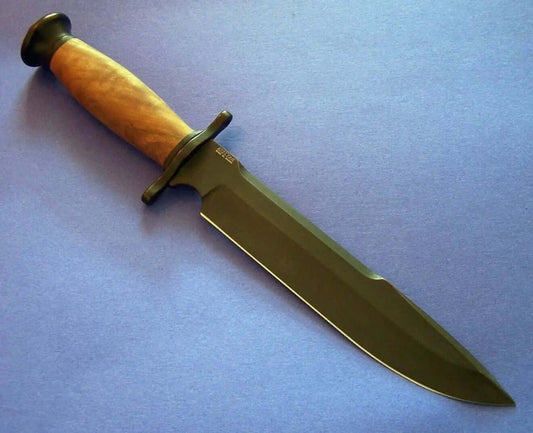
Contemporary Russian-inspired knives often move beyond purely historical patterns. Blacksmiths may combine recognizable Eastern European styling with modern fixed-blade proportions, decorative guards, shaped handles, textured finishes, or larger collector-oriented designs.
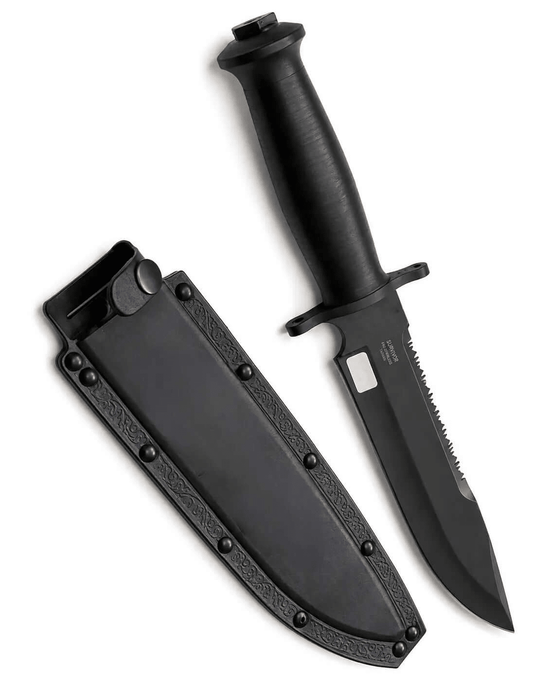
These pieces may appeal particularly to shoppers searching for a Russian knife replica, Russian survival-style knife, handmade Russian knife, or unusual fixed blade for a collection. The appearance and construction can differ significantly between individual listings, which makes comparing blade geometry and overall design especially useful.
Collector and Replica-Style Designs
Some shoppers are drawn to Russian designs primarily because they look different from commonly seen Bowie knives, hunting knives, or conventional outdoor blades. Distinctive profiles, unusual handle shapes, engraved details, and dramatic fixed-blade forms can make Russian-inspired designs particularly interesting as collector or display pieces.
Replica-style products should be understood as handmade interpretations unless an individual listing explicitly states otherwise. They should not automatically be considered historical originals, government-issued pieces, officially licensed reproductions, or authentic production artifacts.
Blade Materials, Handles and Handmade Craftsmanship
Materials can substantially change the appearance and character of Russian Knives. Depending on the individual design, handmade pieces may be produced from different carbon steels, tool steels, or other blade materials. Specific steel type, hardness, construction method, and finish should always be confirmed on the individual product page.
High carbon steel can provide a traditional handmade appearance and is commonly associated with artisan fixed-blade work. Tool steels such as D2 may also appear in contemporary handcrafted designs where specified. Different finishes—from polished surfaces to darker or more rustic treatments—can create very different interpretations of the same general Russian-inspired concept.
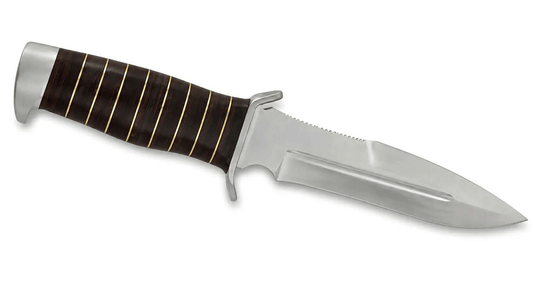
Handles are equally important. A Russian-style fixed blade can look traditional with wood or natural-looking handle materials, while shaped synthetic or modern handle construction can give a design a more contemporary identity. Guards, pommels, spacers, decorative fittings, and handle contours also help distinguish one handmade design from another.
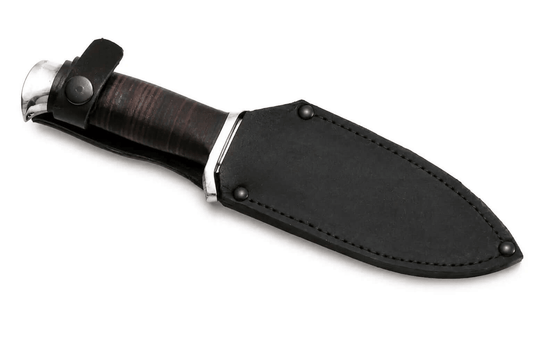
Sheath construction varies as well. Some individual pieces may include leather sheaths or other protective presentation options where specifically stated in the listing. Shoppers who consider a sheath important should confirm its inclusion before selecting a design.
Because artisan-made knives are produced through hands-on processes, slight differences in finishing and detailing can contribute to the character of each piece rather than giving every example the completely uniform appearance of mass production.
Comparing Russian Knives With Other Fixed-Blade Styles
Shoppers who already collect fixed blades may notice that Russian-inspired designs have a different visual identity from more familiar American or European categories.
A classic Bowie knife, for example, is strongly associated with the large American frontier-style fixed blade and frequently features a pronounced clip-point profile. Russian and Siberian-inspired patterns can use very different blade geometry and handle proportions.
Traditional hunting knives may focus primarily on familiar outdoor profiles, while Russian designs can introduce regional forms and unusual blade construction that collectors may not encounter in mainstream fixed-blade categories.
For shoppers primarily interested in distinctive handmade pieces rather than one regional tradition, our Collectible Knives collection can provide additional designs. Those interested in recognizable cinematic styling may also explore Movie Replica Knives, while buyers who prefer classic large fixed blades can compare products within our Bowie Knives collection.
How to Choose the Right Russian-Style Knife
Choosing between different Russian-style designs starts with deciding what interests you most about the category.
For traditional or historical design interest, concentrate on blade shape and regional influence. A Yakut-inspired knife has a very different identity from a large contemporary Russian fixed blade, even though both may appear within searches for Russian knives.
Collectors who prioritize appearance may want to compare profile, finish, handle styling, decorative fittings, and overall proportions. A simple heritage-inspired design can work particularly well in a traditional collection, while a larger or more elaborate handcrafted piece may have stronger display presence.
Materials should also be compared individually. Do not assume every knife in the category uses the same steel or handle material. Review each product's specifications to understand blade steel, dimensions, handle construction, included sheath, and finishing details.
If craftsmanship is the main priority, look closely at how the blade, guard, handle, and fittings complement one another. Handmade work is often most interesting when the complete design feels intentional rather than relying on one decorative feature alone.
For customers seeking a more individualized design, Custom Orders may also be worth exploring where custom work is available.
Russian-Inspired Knives for Collectors and Enthusiasts
The appeal of Russian-inspired fixed blades extends beyond one specific practical purpose. Some collectors appreciate regional knife traditions and Siberian craftsmanship, while others are attracted to distinctive silhouettes that stand apart from conventional Western fixed-blade patterns.
A handmade Russian knife can also complement a collection built around historical blades, outdoor knife designs, handcrafted blacksmith work, or unusual international knife styles. Traditional-looking materials can create a heritage character, while modern variations can provide a more contemporary collectible appearance.
These distinctions are why browsing several products together is useful. Rather than choosing entirely by name, shoppers can compare blade profiles, materials, dimensions, handle styles, finishing, and overall design identity before deciding which piece best fits their collection.
Why Choose Unique Blades Runner
Unique Blades Runner focuses on handmade and artisan-produced blade designs spanning traditional, collectible, historical, and entertainment-inspired styles. Backed by more than 20 years of craftsmanship experience, our work reflects long-standing familiarity with blacksmith production, blade shaping, handle construction, finishing, and distinctive fixed-blade designs.
The Russian-inspired collection forms part of this wider range, giving enthusiasts access to less conventional profiles alongside our Bowie knives, collectible pieces, replicas, and custom designs. Because materials and specifications can vary from one product to another, individual listings provide the best source for exact construction details.
FAQ About Russian Knives
What types of Russian-style knives are available?
Russian-style collections can include traditional-inspired fixed blades, Siberian and Yakut-influenced patterns, contemporary handmade designs, outdoor-style knives, and collector-oriented pieces. The exact selection depends on the individual products currently listed.
What is a Yakut knife?
The Yakut knife is a traditional knife associated with the Sakha people of Siberia in Russia. It is particularly known for its distinctive asymmetrical blade geometry. Modern Yakut-inspired designs may differ from historically traditional examples.
Are Russian Knives handmade?
Many Russian Knives in an artisan collection may be handmade or produced through hands-on blacksmith processes, but construction can vary between individual products. Check each listing for exact information about materials, dimensions, and craftsmanship.
What steel is used for Russian-style fixed blades?
There is no single steel used across the category. Depending on the design, individual products may use high carbon steel, D2 tool steel, or another specified blade material. The individual product specifications should always be checked before choosing.
Are Russian-style knives the same as Yakut knives?
No. A Yakut knife represents a specific regional tradition associated with Siberia and the Sakha people. “Russian knife” is a much broader search term that may include traditional, modern, replica-style, collector, and outdoor fixed-blade designs.
Are these suitable for collectors?
Yes, distinctive craftsmanship, regional inspiration, unusual blade geometry, and handmade construction can make Russian-inspired fixed blades appealing to collectors. Collector value and historical significance, however, depend on the individual item and should not be assumed from its style alone.
How should I compare different Russian knife designs?
Compare the blade profile, steel type, overall dimensions, handle material, finish, sheath availability, traditional or modern inspiration, and overall craftsmanship. These details often provide a better basis for choosing than the category name alone.
Explore Handmade Russian Blade Traditions
From Siberian and Yakut-inspired profiles to contemporary artisan fixed blades and distinctive collector designs, Russian Knives offer a category with considerable visual and craftsmanship variety. Comparing individual materials, blade shapes, handle styles, and regional influences makes it easier to find a design that fits your interest in handmade craftsmanship, international blade traditions, or collectible fixed blades.