Forged Tools Made Through Traditional Blacksmith Craftsmanship
The character of forged tools begins with the forging process itself. Rather than defining a single product type, this category brings together a range of artisan-made metal tools shaped around practical forms, traditional blacksmithing techniques, and distinctive handmade construction. Depending on the individual listing, shoppers may encounter forged axes, hammers, chisels, hand tools, edged tools, striking implements, woodworking-style tools, and specialty forged pieces.
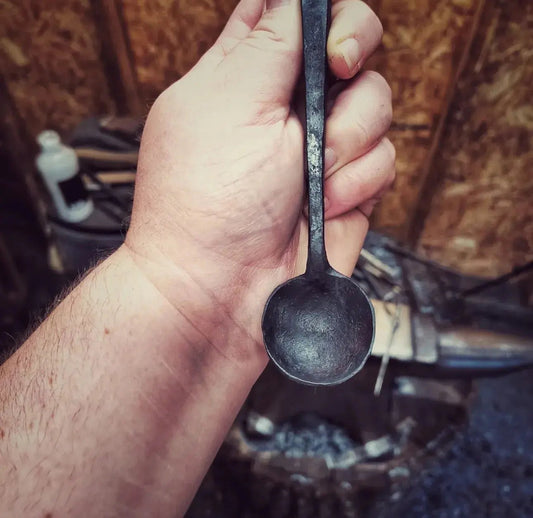
Forging allows steel to be shaped into forms suited to different purposes while also giving handmade pieces the individual visual character associated with blacksmith work. Hammer marks, forged contours, polished areas, textured surfaces, shaped tangs, and hand-finished handles can all contribute to the appearance of a piece.
For shoppers comparing handmade forged steel tools, the important point is that this is a broad artisan category. Products can differ considerably in their shape, steel, finish, construction method, intended use, and historical or modern design influence.
Types of Hand-Forged Tools in the Collection
Different blacksmith-made tools are designed around different forms and functions. This variety is one of the reasons buyers searching for handmade metal tools often prefer browsing a complete collection rather than looking at only one product style.
Forged Axes and Hatchet-Style Designs
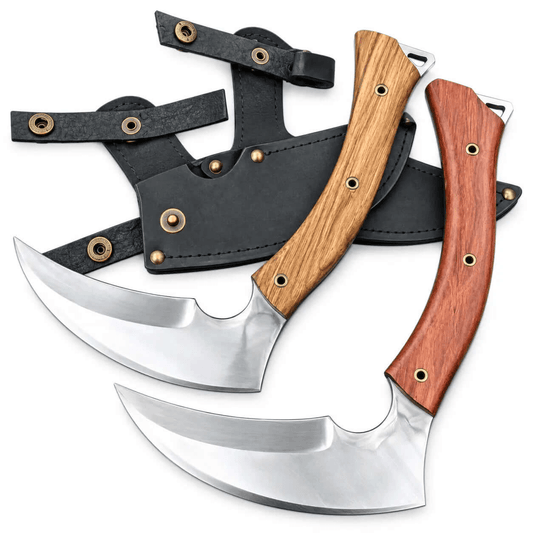
Forged axes represent one of the most recognizable forms of traditional metal craftsmanship. Depending on the design, an axe may feature a compact head, an elongated cutting profile, a traditional forged finish, decorative shaping, or a larger historical-inspired form.
Handle materials and proportions can vary from one listing to another, so shoppers should compare individual dimensions and construction details before choosing a design. Some pieces emphasize rustic blacksmith aesthetics, while others use more refined surfaces and cleaner finishing.
Blacksmith Hammers and Striking Tools
Hand-forged hammers and related striking tools showcase a different side of metalwork. Their identity is often defined by head geometry, face shape, weight distribution, forged texture, and handle construction.
Traditional blacksmith hammer forms, specialty metalworking hammers, and decorative artisan interpretations may all appeal to buyers interested in workshop heritage and old-world craftsmanship. Each design should be evaluated according to its individual listing rather than assuming all forged hammers share the same construction or purpose.
Forged Chisels and Hand Tools
Chisels and smaller hand tools demonstrate how forging can be applied to more compact working forms. Forged steel chisels may appeal to woodworkers, craftsmen, collectors, or people assembling a traditional-looking tool set.
Some buyers search specifically for handmade chisels, blacksmith-made hand tools, forged carving tools, or artisan workshop tools. The precise steel, edge geometry, size, and handle construction can vary, making individual product specifications particularly important.
Specialty and Traditional Forged Designs
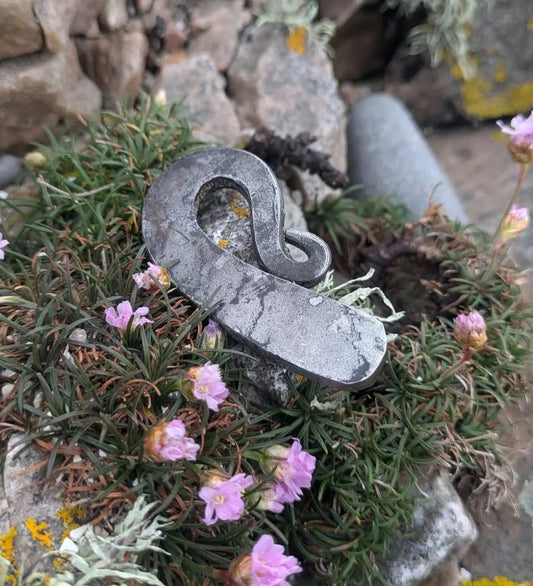
Beyond commonly recognized workshop tools, forged tools can include unusual shapes inspired by historical craftsmanship, outdoor utility, traditional trades, or custom blacksmith designs. These pieces often attract buyers who value distinctive forms that are less common in mass-produced tool ranges.
Historical-style forged implements, handmade forged accessories, rustic metal tools, and decorative working pieces can all fit naturally within this broader category when their construction and design are rooted in forged metalwork.
Steel, Handles, Finishes and Handmade Construction
Materials are an important consideration when comparing artisan forged products. Depending on the individual design, products within the collection may use high carbon steel, tool steel, Damascus steel, or other suitable steels. Specific grades and treatments vary between listings, so shoppers should check each product page for exact material information.
High carbon steel is commonly associated with traditional forged craftsmanship because it responds well to shaping and can develop the darker, more traditional appearance many buyers associate with hand-forged metalwork. Tool steels may be selected for particular designs where their properties suit the intended construction. Pattern-welded or Damascus-style steel may also appear in decorative or premium pieces where layered visual character is part of the design.
Handle construction can be equally varied. Depending on the tool, handles may use hardwood, shaped wood, leather elements, full-metal construction, or other materials appropriate to the design. Wood grain, hand shaping, pins, guards, collars, and forged transitions can significantly influence both appearance and character.
Finishes also differ. Some pieces retain a rustic forge texture, while others may combine textured forged surfaces with polished edges or cleaner hand-finished areas. These differences make handmade forged tools especially appealing to shoppers who want pieces that visibly reflect the making process.
Choosing the Right Forged Tool
When comparing forged tools, start by deciding what type of design best fits your interest. Someone building a traditional workshop collection may prioritize chisels, hammers, or classic blacksmith implements, while another buyer may be more interested in forged axes or unusual specialty designs.
Material is another useful comparison point. Check the individual listing for the stated steel type rather than assuming every item uses the same alloy. Buyers interested in traditional appearance may prefer high carbon steel with a darker forged finish, while collectors drawn to visual patterning may prefer Damascus steel where available.
Size and proportion also matter. A compact hand tool offers a very different presence from a large forged axe or substantial hammer. Review overall dimensions, head size, handle length, weight information where provided, and the intended character of the piece.
Finish should be considered as well. Rustic forge marks communicate traditional blacksmith aesthetics, while smoother surfaces may suit buyers who prefer a more refined presentation. Neither approach is inherently better; they simply represent different expressions of handmade metal craftsmanship.
Finally, look closely at handle materials and overall design. Hardwood handles, forged steel construction, leather details, traditional profiles, and custom-inspired shapes can each give a product a different identity.
Why Handmade Forged Tools Appeal to Collectors and Craftsmen
Hand-forged metalwork has appeal beyond basic function. For many collectors, the attraction lies in seeing evidence of the maker's process through subtle variation, shaping, forged texture, and finishing. A handmade piece can have a visual character that differs considerably from identical factory-produced tools.
Blacksmithing enthusiasts may appreciate traditional forms and forging methods, while collectors often look for distinctive axes, hammers, chisels, historical-style tools, or decorative workshop pieces that contribute something different to a display or collection.
These items may also appeal as gifts for craftsmen, woodworking enthusiasts, blacksmithing fans, historical-tool collectors, or people who simply appreciate handmade steelwork. Buyers seeking broader artisan metalwork may also wish to explore related handmade collections or Custom Orders when a particular style or variation is required.
Why Choose Unique Blades Runner for Forged Metalwork?
Unique Blades Runner focuses on handmade metal products shaped around distinctive craftsmanship, varied materials, traditional inspiration, and individual design character. Backed by more than 20 years of craftsmanship experience, our work includes a broad range of forged and handcrafted pieces rather than a single standardized style.
Our forged tools collection reflects that variety through different profiles, finishes, materials, sizes, handle constructions, and artisan-made designs. Because handmade products can differ from one design to another, individual listings provide the best source for exact specifications and materials.
Where custom work is available, buyers looking for a particular form, size, finish, or design can also explore Custom Orders. Wholesale or Bulk Orders may likewise be relevant for businesses or buyers seeking larger quantities of applicable handmade products.
FAQ About Forged Tools
What types of forged tools are available?
The collection may include forged axes, hammers, chisels, hand tools, edged implements, workshop-style pieces, and specialty blacksmith designs. Available product types can vary as new handmade designs are added.
Are forged tools handmade?
Many pieces in this category are handmade or hand-forged using artisan metalworking methods. Because construction differs between products, check each individual listing for its exact manufacturing details.
What steel is used for handmade forged tools?
Depending on the design, products may use high carbon steel, tool steel, Damascus steel, or other suitable materials. Steel specifications vary between listings and should be confirmed on the individual product page.
Why do hand-forged tools sometimes look different from one another?
Small differences in forged texture, shaping, surface finish, wood grain, and hand finishing are normal characteristics of artisan-made work. These variations contribute to the individuality of handmade blacksmith tools.
Are these suitable for collectors?
Yes. Many buyers choose forged tools because of their handcrafted appearance, traditional blacksmith influence, distinctive forms, and display appeal. Collector interest depends on the particular style and design.
How should I choose between different forged designs?
Compare the product type, dimensions, steel, handle material, finish, overall profile, and intended character of each piece. A traditional forged hammer, rustic axe, and handmade chisel can each serve very different preferences.
Can forged tools be customized?
Custom options may be available for selected designs. Requirements such as size, materials, finish, or other design details should be discussed through the Custom Orders process before production.
Explore Traditional and Artisan Forged Metalwork
From blacksmith hammers and handmade chisels to forged axes and unusual specialty pieces, this collection represents the variety possible within traditional and modern artisan metalwork. Buyers can compare different steels, finishes, handle styles, profiles, and craftsmanship approaches while choosing pieces that suit their workshop, collection, display, or appreciation of handcrafted design.
For shoppers searching for distinctive forged tools, Unique Blades Runner brings together handmade craftsmanship and a broad selection of blacksmith-inspired forms in one focused collection.