EDC Knives for Everyday Carry, Utility and Collecting
EDC Knives are defined less by one exact blade pattern and more by the idea of having a manageable, versatile knife design that fits naturally into an everyday gear collection. “EDC” stands for everyday carry, and within handmade knife craftsmanship it can cover numerous compact blade profiles, handle styles, construction methods, and carrying formats.
Unlike categories built around one historic profile, EDC designs can range from streamlined fixed blades to compact utility knives and smaller traditional patterns. The common connection is practical sizing, comfortable handling, and a design that avoids the unnecessary bulk found in much larger knives.
For shoppers comparing everyday carry knives, differences in blade shape, steel, handle construction, sheath design, overall proportions, and handmade finishing are often more meaningful than choosing a design based only on appearance.
Different Everyday Carry Knife Styles
The EDC category allows considerable variation because different users prefer different combinations of compact dimensions, grip shape, blade profile, and visual character.
Compact Fixed Blade EDC Knives
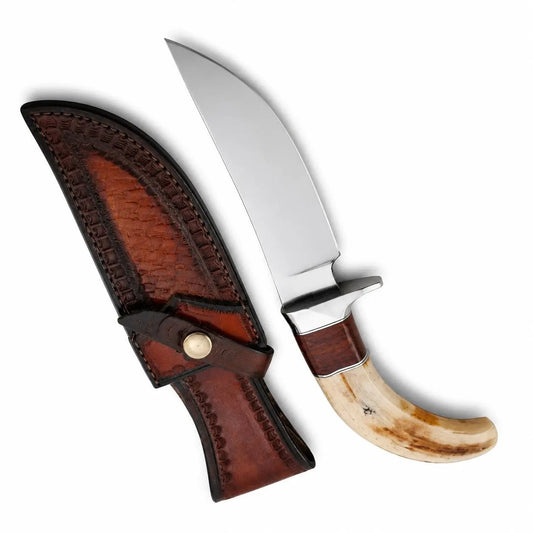
A compact fixed blade offers simple construction and a traditional knife format without requiring the proportions of a large Bowie or full-size hunting knife. These designs can appeal to shoppers who appreciate a solid blade-and-handle construction in a smaller overall package.
Depending on the individual model, compact fixed blade knives may have straight or gently curved cutting profiles, pointed or broader blade shapes, and handles ranging from clean contemporary forms to more traditional handmade designs.
A sheath can also become an important part of the overall package. Individual listings should be checked for specific sheath materials, construction, and included accessories.
Handmade Utility Knife Designs
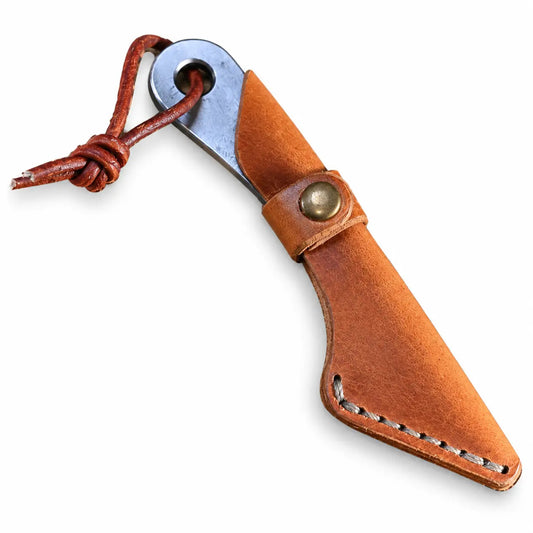
Utility-focused EDC knives often favor practical proportions and uncomplicated shapes. They may appeal to people who value handmade metalwork while still wanting a design that feels straightforward rather than decorative or oversized.
An artisan-made utility knife can also show small differences created through hand finishing. Grind lines, handle shaping, surface texture, and finishing details can give each design its own character while maintaining the recognizable qualities of a compact everyday knife.
Traditional and Collector-Oriented Designs
Not every EDC knife has to follow a purely modern appearance. Smaller traditional blade profiles, heritage-inspired forms, decorative handle materials, and individually finished pieces can all fit naturally into an everyday carry collection.
Collectors may particularly appreciate unusual blade geometry, handmade handles, distinctive steel finishes, or compact interpretations of larger knife styles. Shoppers primarily interested in more substantial traditional profiles can also explore related Bowie Knives, while distinctive display-focused pieces may overlap naturally with Collectible Knives.
Blade Materials, Handles and Handmade Craftsmanship
Material choice is one of the most useful ways to compare EDC Knives because individual steels can provide different combinations of edge characteristics, maintenance requirements, appearance, and craftsmanship possibilities.
Depending on the particular listing, products within the collection may include steels such as D2 tool steel, high carbon steel, or stainless steel. Specific steel grades and heat-treatment details should always be confirmed on the individual product page rather than assumed across the entire collection.
D2 is frequently appreciated in handmade knife making because it combines strong edge retention with substantial wear resistance. High carbon steels remain popular among blacksmiths because of their traditional character and suitability for many forged blade designs. Stainless steels can appeal to shoppers who prioritize easier routine maintenance.
Handle construction can vary just as widely. Handmade EDC knives may incorporate wood, bone, horn, Micarta, G-10, stacked materials, or other handle options where specified in the listing. Each changes the visual character, texture, balance, and overall feel of the finished piece.
The finishing process is equally important. Hand shaping, grinding, polishing, fitting guards or handle scales, and producing leatherwork all contribute to the individuality that separates artisan-made knives from highly standardized factory products.
How to Choose the Right EDC Knife
The best everyday carry knife depends on what characteristics matter most to you rather than on one universal design.
Start with overall proportions. A smaller EDC fixed blade can be easier to include in a compact gear setup, while a slightly larger design can provide additional handle space and a broader blade profile. Dimensions vary considerably, so compare the overall length, blade length, handle length, and blade thickness listed for each model.
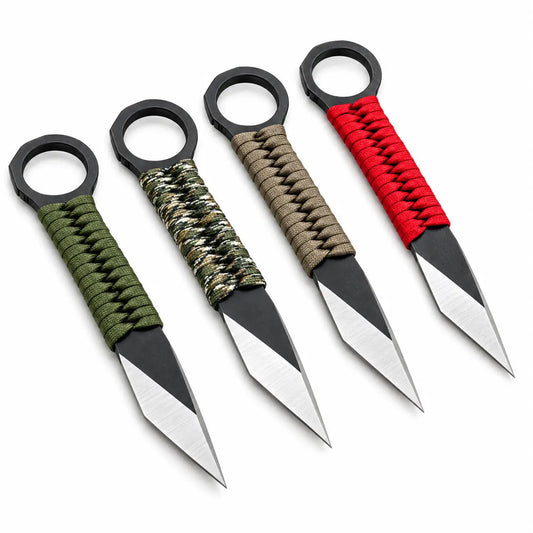
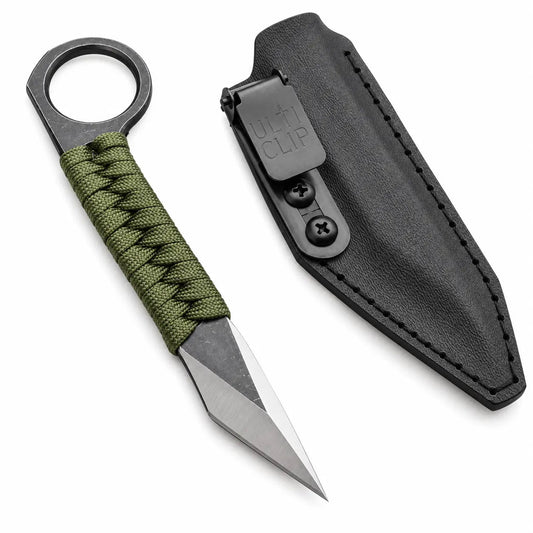
Next, consider blade geometry. A narrower point, broad utility profile, straight edge, curved cutting section, or compact clip-style shape can create a very different overall design. Shoppers who collect handmade knives may choose primarily by profile and craftsmanship, while others may prioritize simple dimensions and comfortable handling.
Steel is another major comparison point. D2 steel knives, carbon steel blades, and stainless steel EDC designs each have their own character and maintenance considerations. The individual product specification should remain the deciding source because materials can vary throughout the collection.
Handle design should not be overlooked. Compare shape, material, texture, guard configuration where present, and how the handle visually balances the blade. A handmade wooden handle creates a different aesthetic from Micarta or G-10, while natural materials such as bone or horn can give collector pieces greater visual individuality.
Finally, check whether a sheath is included and what type it is. A well-made leather sheath can complement traditional handmade craftsmanship, but sheath design and inclusion differ between products.
Why EDC Designs Appeal to Collectors and Everyday Knife Enthusiasts
Compact knives can be particularly interesting to collectors because designers and blacksmiths must create visual character within relatively restrained dimensions. Blade geometry, grind work, handle contours, pins, guards, polishing, and material combinations become more noticeable when the design is not dominated by sheer size.
For someone building a varied handmade knife collection, EDC pieces can also complement larger hunting knives, Bowie designs, historical patterns, and movie-inspired collectibles. Their smaller proportions create another category of craftsmanship rather than simply reproducing a larger knife in miniature.
They can also make thoughtful gifts for people interested in blacksmithing, handmade metalwork, traditional cutlery, blade collecting, or artisan craftsmanship. Buyers interested in a particular design variation may also explore Custom Orders where a suitable customization service is available.
Why Choose Unique Blades Runner
Unique Blades Runner focuses on handmade and artisan-made blade designs covering practical, collectible, traditional, and distinctive styles. Backed by more than 20 years of craftsmanship experience, the collection reflects long-term familiarity with blade shaping, handle construction, finishing, and leatherwork.
Rather than restricting the range to one standardized EDC pattern, the goal is to offer different profiles, materials, sizes, and handmade interpretations so shoppers can compare designs according to their own preferences.
Because specifications can differ from one piece to another, individual listings provide the most relevant details for steel type, dimensions, handle materials, sheath inclusion, and finishing.
FAQ About EDC Knives
What does EDC mean for knives?
EDC means “everyday carry.” In knife terminology, it generally describes compact and manageable designs intended to fit more naturally into an everyday gear setup than much larger blade styles.
What types of EDC Knives are available?
EDC Knives can include compact fixed blades, handmade utility knives, smaller traditional patterns, collector-focused designs, and other relatively compact blade formats. The exact styles available depend on the current products within the collection.
Are everyday carry knives always folding knives?
No. Although folding knives are commonly associated with everyday carry, compact fixed blade knives are also widely described as EDC designs. This collection can therefore include fixed blade formats where relevant rather than being limited to one construction style.
Which steel is best for an everyday carry knife?
There is no single best steel for every buyer. D2 tool steel may appeal to shoppers interested in wear resistance and edge retention, high carbon steel offers traditional blade-making character, and stainless steel can provide easier routine care. Always check the steel specified for the individual knife.
Are these EDC Knives handmade?
Many products offered by Unique Blades Runner emphasize handmade or artisan production, but construction details can vary between listings. Check each product page for the exact steel, handle material, finishing method, and included accessories.
What should I compare before choosing an EDC knife?
Compare overall size, blade profile, steel, blade thickness, handle shape, handle material, finish, sheath design, and the visual character of the piece. Collectors may place more emphasis on craftsmanship and unusual designs, while other shoppers may prioritize compact proportions and straightforward styling.
Do EDC knives come with leather sheaths?
Some compact fixed blade designs may include handmade leather sheaths, but this should not be assumed across the entire collection. The individual listing will indicate whether a sheath is included and describe its material where applicable.
EDC Knives offer a diverse way to explore compact blade craftsmanship without being limited to one historical pattern or design formula. From handmade fixed blades and utility-focused profiles to distinctive collector pieces, the collection brings together different steels, handles, finishes, and artisan styles for shoppers comparing everyday carry knife designs.