Skinning Knives Designed Around Controlled Cutting
A skinning knife is a specialized member of the wider hunting-knife family. Instead of emphasizing blade length or an aggressive point, a traditional skinner places greater importance on edge curvature, control, and the amount of usable cutting edge that can contact the hide during each stroke.
That difference gives skinning knives their recognizable profiles. Many use a broad belly, a slightly raised or lowered point, or a compact blade that can be maneuvered more precisely during game processing. Some designs remain simple fixed blades, while others incorporate a gut hook or combine skinning characteristics with a general hunting-knife shape.
For shoppers comparing skinning knives for deer, blade geometry should usually be considered before decorative details. A knife can look impressive, but the way its edge curves, where its point sits, and how comfortably the handle can be controlled will have a greater effect on how naturally it suits skinning work.
Deer Skinning Knives and Field-Dressing Designs
The terms deer skinning knife, field dressing knife, and deer dressing knife are closely related, but they do not always describe exactly the same blade.
A dedicated deer skinning knife is primarily shaped for separating hide from the animal. The curved section of the edge provides room for sweeping cuts while helping the user work with the edge rather than relying heavily on the tip.
A field-dressing knife can be broader in purpose. It may be used during several stages of preparing game and can therefore have a more general hunting profile. Some buyers prefer one versatile fixed blade, while others use a dedicated skinner alongside additional processing knives.
This distinction is worth considering if you are choosing between a specialized skinner and a general hunting knife. If removing hide is the main priority, the extra belly of a skinning profile can be particularly useful. If one knife needs to cover a wider range of outdoor cutting jobs, a more general profile may make more sense.
Fixed-Blade Skinning Knives
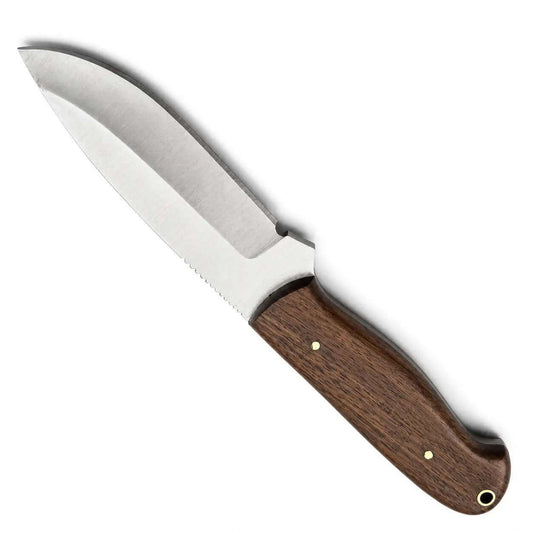
The fixed blade skinning knife remains one of the most recognizable forms of the category. There is no folding mechanism between the blade and handle, so the knife maintains a simple, rigid construction.
For game-processing work, that simplicity also makes the shape easier to inspect and clean than a design containing an internal pivot. Fixed blades range from compact skinners intended for close control to larger profiles with more cutting edge.
A skinning knife with sheath also gives the blade a dedicated covering when it is stored or carried. Sheath design varies between products, so check the individual listing for the exact material, construction, and carrying arrangement supplied with a particular knife.
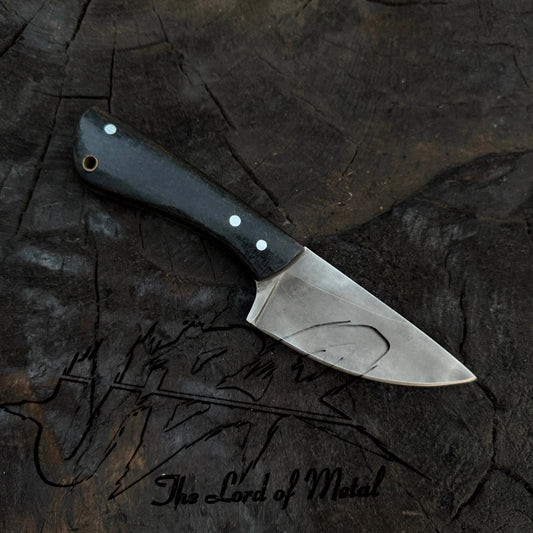
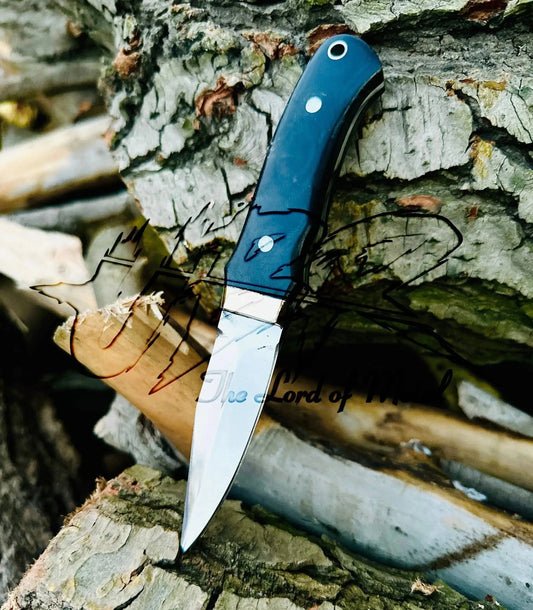
Size should be considered alongside blade shape. A small skinning knife may offer precise handling around tighter areas, while a longer or broader design gives the user more edge for sweeping cuts. The ideal balance depends on hand size, game size, and personal cutting preference.
Curved Skinning Knives and Blade Shape
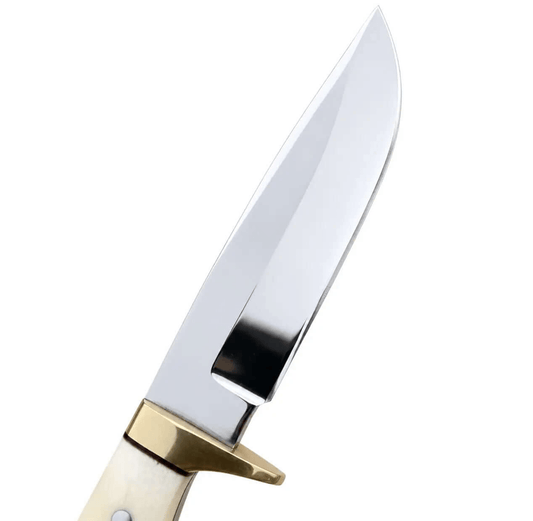
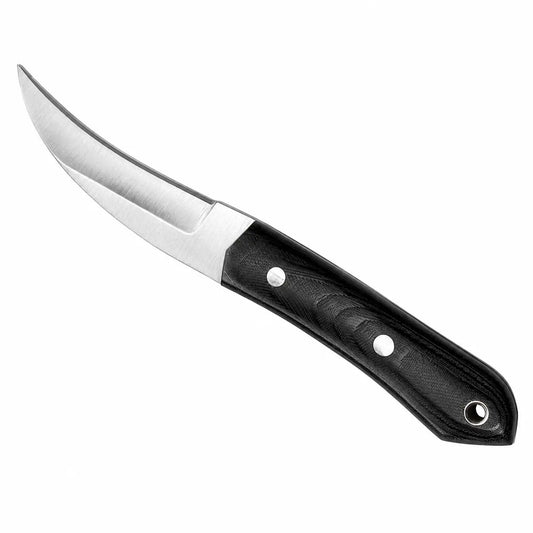
A curved skinning knife is designed around the belly of the blade. The belly is the rounded section of the cutting edge between the heel and the point, and increasing this curve creates more usable edge during a drawing or sweeping motion.
This is one of the major differences between a dedicated skinner and many conventional fixed-blade knives.
Some skinning blades have a deep, obvious curve with a subdued point. Others use a drop-point-style profile that combines a useful belly with a more versatile tip. There are also compact designs in which the point sits relatively close to the cutting edge to make accidental tip-first contact less likely during controlled work.
The shape does not need to be extreme to qualify as a useful skinner. What matters is how the edge, point, handle, and overall proportions work together.
Skinning Knives With Gut Hooks
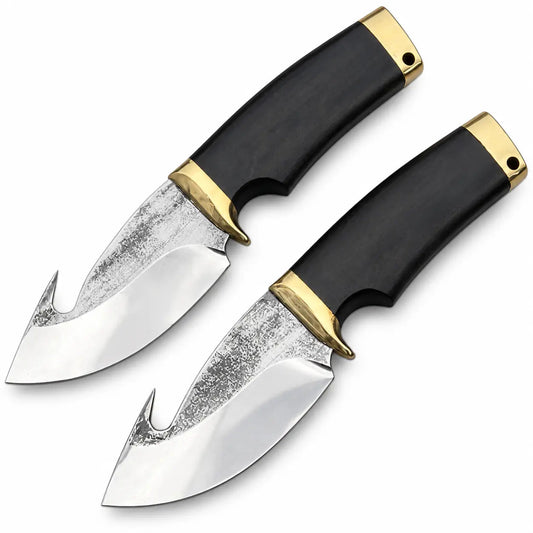
Some skinning knives with gut hooks add a sharpened hook to the spine. The hook provides a separate cutting area intended for opening hide during field dressing without using the main point of the blade for the entire cut.
A gut hook creates a more specialized knife. Some users like having the additional feature integrated into the same blade, while others prefer the simpler profile of a conventional skinner.
If you are comparing a gut-hook skinning knife with a plain-spine model, consider maintenance as well as function. The main edge can be sharpened using conventional methods, while the curved interior of a hook normally requires a sharpening tool suited to its shape.
For buyers specifically looking for a deer skinning knife set, a gut-hook design may also appear alongside other blade profiles intended for different stages of game processing. Check each set individually rather than assuming every piece performs the same task.
Choosing Steel and Handle Materials
Steel influences edge retention, sharpening characteristics, corrosion care, and appearance, but the steel name should not be considered in isolation. Blade geometry, heat treatment, thickness, and edge construction also contribute to how a knife behaves.
Within the wider category, buyers may encounter carbon steels, tool steels, stainless steels, and Damascus skinning knives. Damascus is particularly recognizable for its layered pattern, while more conventional steels may appeal to shoppers who prioritize straightforward working characteristics.
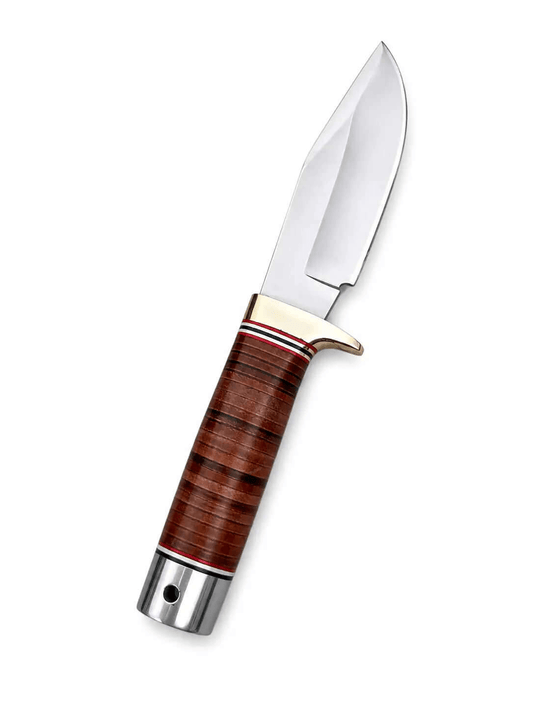
If comparing a custom skinning knife or handmade design, also look closely at the handle. Wood, Micarta, stacked leather, horn, bone, and synthetic materials can produce very different appearances and handling characteristics.
A good handle should suit the size of the blade and provide enough room for controlled positioning of the hand. Shape and contour can matter as much as the handle material itself, especially when the knife is intended for detailed field work.
What to Look for When Choosing a Skinning Knife
Start with the primary task. If the knife will mainly be used for skinning deer, look for enough belly to support smooth cutting and a point that can be controlled easily. If the same knife will also handle broader field-dressing work, a slightly more versatile blade profile may be preferable.
Next, compare overall size. Longer blades are not automatically better. A compact skinner can offer greater control, while a broader blade may provide more cutting edge.
Then consider:
- Blade profile and curvature
- Fixed-blade construction
- Overall knife dimensions
- Handle shape and material
- Steel and maintenance requirements
- Plain spine or gut-hook design
- Sheath style when included
- Individual or skinning knife set configuration
The best skinning knife for deer is therefore not one universal shape. It is the design whose proportions, edge profile, grip, and construction suit the way the individual buyer intends to process game.
Caring for a Skinning Knife
Game-processing knives should be cleaned after use and dried thoroughly before storage. This is especially important with steels that are more susceptible to surface oxidation.
Keep the main cutting edge properly maintained instead of allowing it to become heavily dull. If the knife has a gut hook, use a sharpening method designed for the hook's curved interior rather than treating it exactly like a straight edge.
Handle materials may also require different care. Natural materials and wood should not be left wet for extended periods, while leather sheaths should be allowed to dry naturally if they become damp.
For longer-term storage, keep the blade clean and dry and follow the care requirements given for the specific steel and handle material listed on the individual product page.
FAQ About Skinning Knives
What makes a skinning knife different from a regular hunting knife?
A skinning knife is more specialized. Its blade usually provides additional curvature or belly for controlled cuts while separating hide. A general hunting knife may use a more versatile profile intended to cover a wider range of outdoor and game-processing tasks.
What blade shape is useful for skinning deer?
A curved cutting edge with a useful belly is one of the main characteristics associated with deer skinning knives. The curve increases the amount of edge available during sweeping cuts, while a controllable point helps with more detailed work.
Should I choose a skinning knife with a gut hook?
It depends on your preferred field-dressing method. A gut hook adds a dedicated cutting feature to the spine, while a traditional skinner keeps the design simpler. Both styles can suit game-processing work.
Is a small skinning knife useful for deer?
A compact blade can be useful where precise control is more important than reach. Rather than choosing by size alone, compare the blade curvature, point, handle proportions, and overall balance of the knife.
Browse the available skinning knives and compare blade shapes, sizes, handles, steels, gut-hook options, and sheath styles to find the skinner that best matches your field-processing needs or collection.