Chef Knives for Different Kitchen Preparation Styles
Chef knives are among the most versatile forms of kitchen cutlery because their designs can support many everyday preparation tasks, from slicing vegetables and portioning ingredients to chopping herbs and preparing meat for cooking. Rather than representing one single blade shape, this collection brings together different culinary knife profiles, materials, handle styles, and handmade interpretations.
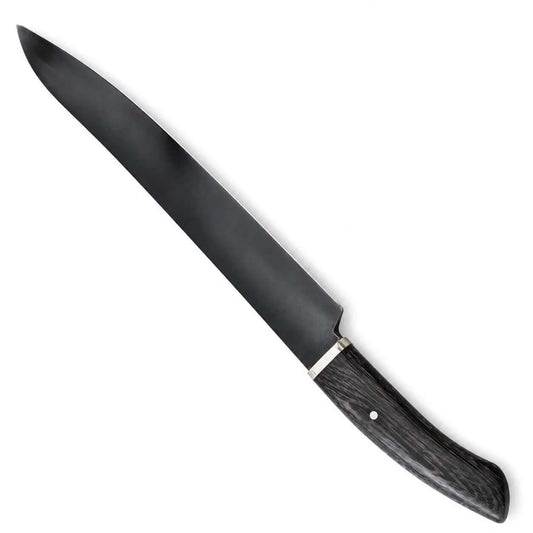
Traditional Western-style chef blades commonly feature broad cutting profiles and practical blade lengths, while Japanese-inspired kitchen knives such as gyuto and santoku designs offer alternative shapes that many cooks prefer for precise slicing and controlled preparation. Other products within the wider category may include cleavers, slicing knives, utility knives, brisket knives, fillet-style blades, and coordinated chef knife sets.
Because individual listings vary, shoppers can compare blade geometry, steel type, handle construction, finish, overall size, and intended kitchen role before choosing a design.
Types of Kitchen Knives in the Collection
Traditional Chef Knife Designs
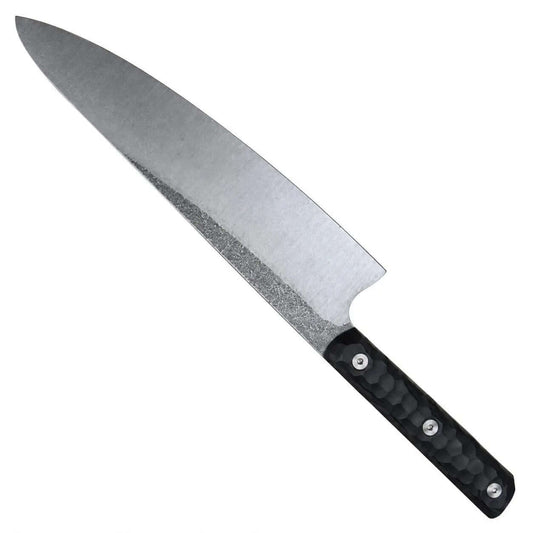
The classic chef knife is valued for its broad blade, comfortable working length, and ability to handle a wide variety of kitchen preparation. These knives are commonly chosen as general-purpose culinary blades because one well-balanced design can cover many routine cooking tasks.
Handmade versions can also have more individual character than mass-produced kitchen cutlery. Differences in forging, grinding, polishing, handle fitting, and finishing can give each design its own appearance while keeping the familiar chef-style profile.
Gyuto and Japanese-Inspired Kitchen Knives
Gyuto knives are Japanese-style chef knives that have become popular with cooks looking for a versatile blade with a streamlined profile. They are commonly associated with slicing, chopping, and general food preparation and can be found in different steels, edge profiles, and handle configurations.
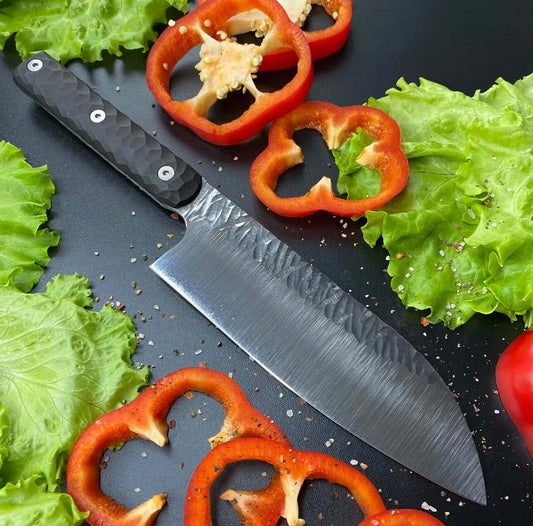
Santoku-style knives are another recognizable culinary design. Their shorter, broad profile makes them a distinct alternative to longer Western chef blades, especially for shoppers comparing different kitchen knife shapes before selecting the one that best matches their cooking habits.
Cleavers, Slicers and Specialized Kitchen Blades
Some cooks prefer to build a kitchen knife collection around several purpose-oriented designs rather than relying on one general-purpose knife. Depending on the individual products available, this may include cleaver-style kitchen knives, slicing blades, brisket knives, fillet knives, utility knives, bread knives, steak knives, or other preparation-focused designs.
These different profiles give shoppers more flexibility when assembling culinary cutlery for particular cooking styles, presentation preferences, or kitchen routines.
Handmade Chef Knife Sets
For shoppers who prefer coordinated kitchen cutlery, chef knife sets can bring several blade styles together in one collection. A set may combine chef knives with smaller utility designs, slicers, santoku-style blades, or other kitchen profiles, depending on the individual listing.
Those interested in a broader coordinated selection can also explore related Chef Knife Sets where suitable products are grouped specifically around multi-piece kitchen collections.
Blade Materials, Handles and Artisan Craftsmanship
Material choice is one of the most useful ways to compare handmade kitchen knives. Products within this collection may use different steels, and specific materials should always be confirmed on the individual product page.
D2 tool steel is used in some handmade culinary designs because it is known for good wear resistance and edge retention. High carbon steel is another traditional choice seen in hand-forged kitchen knives, while stainless steel options may appeal to shoppers who prefer easier routine maintenance.
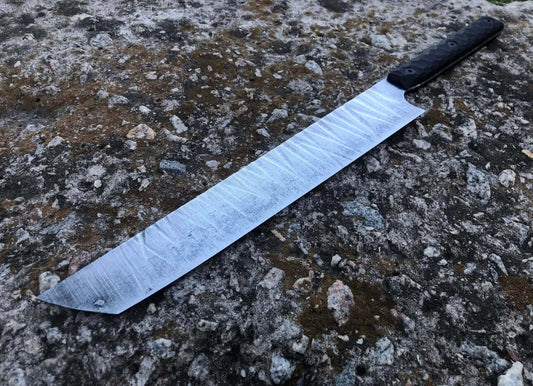
Damascus steel chef knives are often selected for their visible layered patterns and distinctive artisan appearance. Depending on how the blade is produced, the pattern can create a visually individual finish that makes the knife especially appealing to shoppers interested in handmade culinary craftsmanship.
Handles can also vary considerably. Wood, bone, horn, micarta, G-10, and other materials may appear across different designs where specified. Handle shape, contour, weight, and overall balance all influence how a chef knife feels in the hand, so buyers should compare individual product details rather than assuming every kitchen blade uses the same construction.
Finishes can range from traditional forged appearances to polished or mirror-finished blades. These finishing differences are part of what gives handmade kitchen knives their individual visual identity.
Choosing the Right Chef Knives
When comparing chef knives, begin with the type of food preparation you do most often. A versatile general-purpose chef blade may suit someone who wants one primary kitchen knife, while a santoku or gyuto can appeal to shoppers who prefer a different blade profile and handling style.
Blade length also matters. Larger chef knives provide more cutting edge and working area, while shorter kitchen blades can feel easier to control for smaller ingredients or more detailed preparation. There is no single ideal size for everyone, so personal cooking habits and comfort are more important than choosing the largest blade available.
Steel is another important consideration. D2 steel, high carbon steel, Damascus steel, and stainless steels each have different characteristics relating to maintenance, edge retention, appearance, and sharpening. The best choice depends on whether the shopper prioritizes traditional craftsmanship, visual character, routine care, or long-term cutting performance.
Handle design should not be overlooked. Two chef knives with similar blades can feel very different because of handle shape, material, thickness, and balance. Reviewing the photographs, measurements, and specifications of individual listings is therefore an important part of comparing handmade kitchen cutlery.
Shoppers considering several knives for the same kitchen may also want to compare single chef blades with complete kitchen knife sets before deciding which approach offers the most useful mix of profiles.
Handmade Kitchen Knives for Cooks and Collectors
Handmade culinary cutlery can appeal to both active cooks and people who appreciate artisan metalwork. A hand-finished chef knife often shows subtle variations that distinguish it from factory-produced cutlery, particularly in blade finishing, handle materials, forging character, and overall presentation.
Damascus chef knives and distinctive custom-style designs can also have collector appeal because their blade patterns and handcrafted construction make them visually different from standard kitchen knives. For some buyers, the attraction is practical cooking use; for others, it is the combination of culinary purpose and traditional blacksmith craftsmanship.
Chef knives can also make thoughtful gifts for cooking enthusiasts, home chefs, barbecue enthusiasts, culinary collectors, and people building a more distinctive kitchen setup. Buyers interested in individualized designs may also explore Custom Orders where appropriate.
Why Choose Unique Blades Runner
Unique Blades Runner focuses on handmade and artisan-made metalwork across a wide variety of blade styles, including culinary cutlery. Backed by more than 20 years of craftsmanship experience, the collection reflects long-term involvement in forging, finishing, handle work, and distinctive handmade designs.
Rather than limiting the category to one steel or one visual style, the range can include different blade profiles, materials, handle configurations, and finishes. This gives shoppers the ability to compare chef knives according to the qualities that matter most to their own kitchen or collection.
For customers seeking multiple pieces or larger quantities, related Wholesale / Bulk Orders options may also be relevant depending on current requirements and availability.
FAQ About Chef Knives
What types of chef knives are included in this collection?
Chef knives in this collection may include traditional Western-style chef blades, gyuto-inspired knives, santoku designs, cleavers, slicing knives, utility blades, and kitchen knife sets. The exact selection varies as different handmade designs are added.
Are these kitchen knives handmade?
Many products in the collection are handmade or artisan-finished. Construction methods, steel types, handle materials, and finishing details can vary, so the individual product listing should be checked for the most accurate information.
What steel is best for a handmade chef knife?
There is no single best steel for every cook. D2 tool steel can offer strong edge retention, high carbon steel has traditional culinary appeal, stainless steel can simplify maintenance, and Damascus steel is often chosen for its distinctive patterned appearance.
What is the difference between a chef knife, gyuto and santoku?
A Western chef knife typically has a broad, versatile profile suitable for varied kitchen preparation. A gyuto is a Japanese-style all-purpose kitchen knife, while a santoku generally has a shorter, broad profile associated with slicing, chopping, and ingredient preparation.
Are Damascus chef knives suitable for collectors?
They can be. Damascus culinary knives are often appreciated for their visible steel patterns, handmade character, and distinctive appearance. Buyers interested in artisan cutlery frequently choose them for both kitchen use and display.
Should I buy one chef knife or a complete knife set?
A single chef knife can cover many everyday preparation tasks, while a chef knife set provides several blade profiles for different ingredients and cooking methods. The better choice depends on how many specialized kitchen knives you expect to use regularly.
How should handmade kitchen knives be cared for?
Care requirements depend on the steel. In general, wash the blade by hand, dry it promptly, avoid prolonged moisture exposure, and store it safely. High carbon steel may require more attention to moisture protection than many stainless steels.
Explore Chef Knives for Your Kitchen
Chef knives can range from classic all-purpose culinary blades to Japanese-inspired profiles, Damascus designs, hand-forged kitchen knives, and coordinated chef sets. Comparing the blade shape, steel, handle, finish, and intended preparation style makes it easier to find a design that fits both practical cooking needs and personal taste.
For shoppers who value artisan craftsmanship alongside functional kitchen design, this collection provides a broad place to compare handmade culinary cutlery and distinctive chef knife styles.