Skinner Knives and the Designs That Define the Category
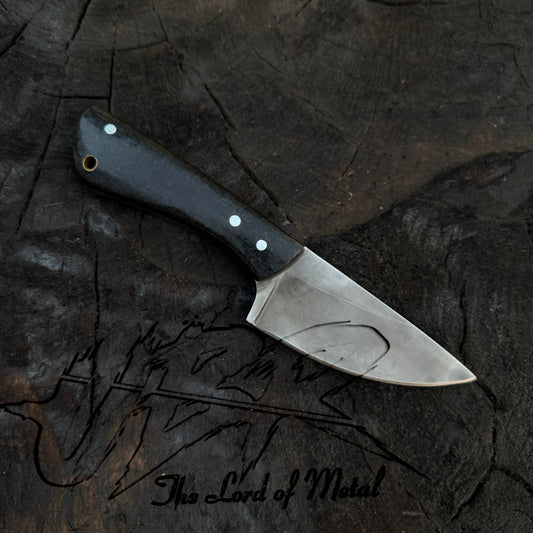
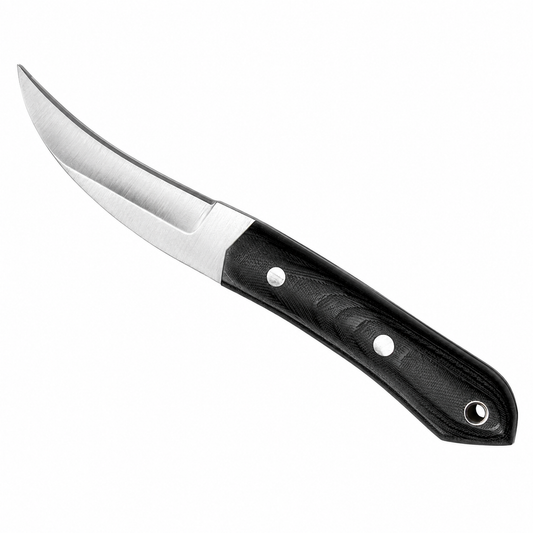
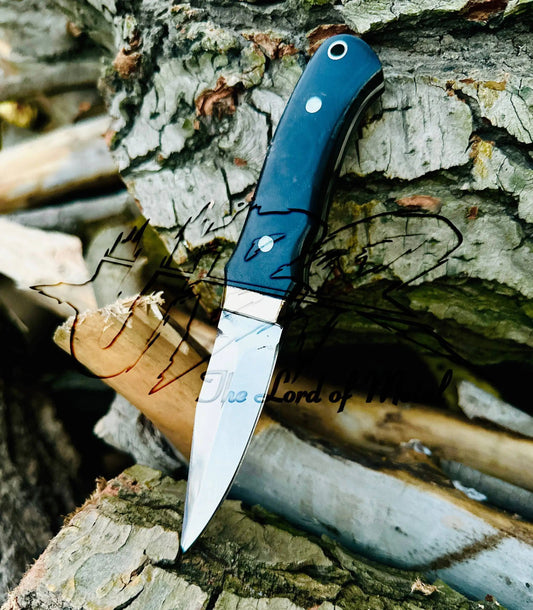
Skinner Knives are traditionally recognized by blade profiles designed around control, a pronounced cutting belly, and practical fixed-blade construction. While individual designs vary considerably, many skinning knives use a curved edge, drop-point or trailing-point influence, and a handle shape intended to provide a secure, comfortable grip.
Within a handmade collection, that basic design can take many forms. Some pieces follow the clean profile of a traditional hunting skinner, while others combine a broad curved blade with decorative guards, natural handle materials, patterned steel, or distinctive artisan finishing. Gut-hook skinner knives form another recognizable variation, adding a hooked section to the blade profile while retaining the general character of an outdoor fixed blade.
These differences are why shoppers may encounter terms such as hunting skinning knife, fixed blade skinner, handmade hunting knife, gut hook knife, curved blade knife, and hand-forged skinner when exploring the category.
Different Skinner Knife Styles to Explore
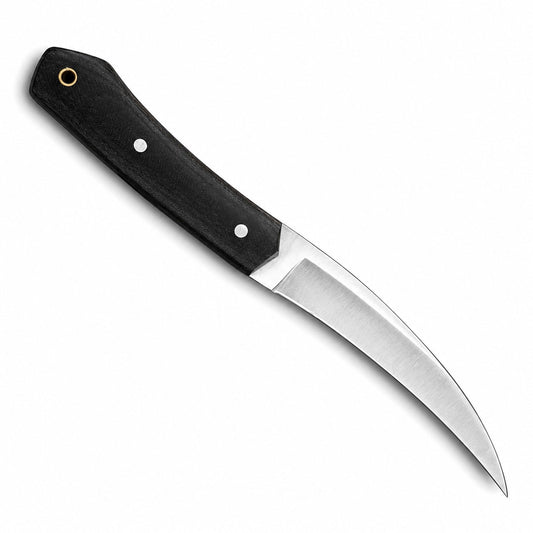
Traditional Curved-Blade Skinners
The classic skinner design usually emphasizes a sweeping cutting edge rather than an extremely narrow or angular profile. This recognizable belly gives the blade its distinctive appearance and separates many skinners visually from Bowie knives, daggers, and straight-backed utility designs.
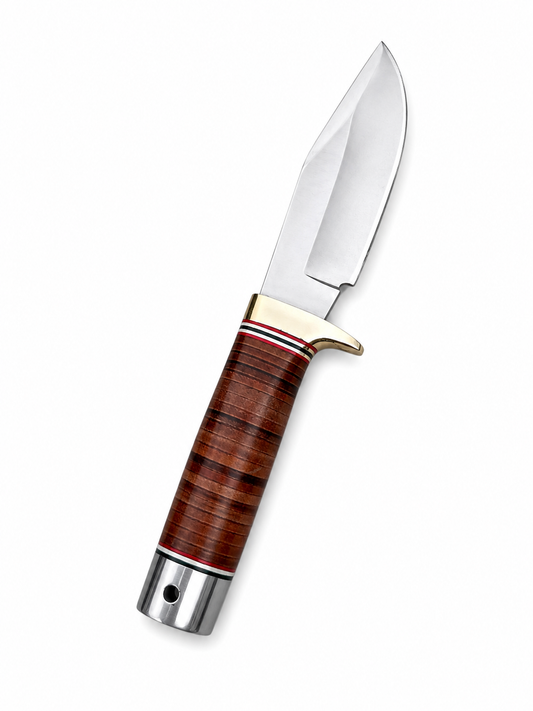
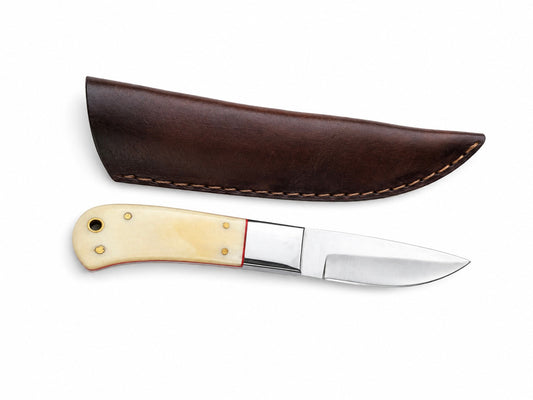
Traditional versions are often attractive to shoppers who appreciate straightforward outdoor knife styling, simple guards, natural handle materials, and leather sheath presentation.
Gut-Hook Skinner Designs
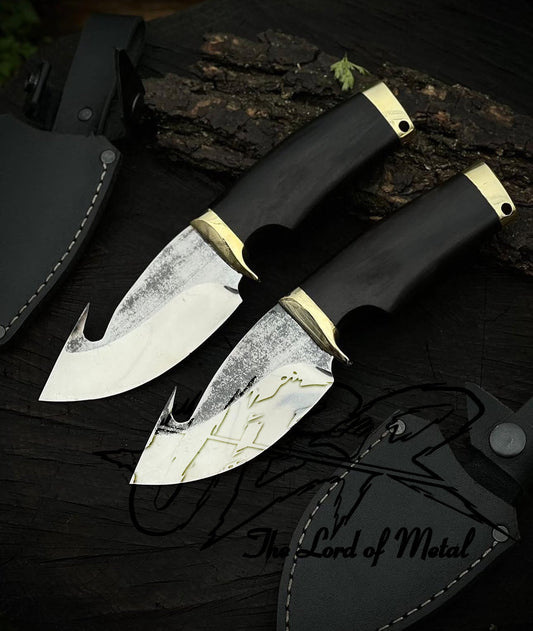
Gut-hook skinners add another recognizable profile to the category. The hook is incorporated into the upper portion of the blade and creates a noticeably different silhouette from a standard drop-point skinner.
For collectors comparing different handmade hunting knives, a gut-hook model can offer additional visual character while remaining closely associated with the broader skinning-knife tradition.
Compact and Large Fixed-Blade Variations
Not every skinner follows the same proportions. Compact skinning knives can provide a more understated profile, while larger fixed-blade skinners often emphasize a broad blade, substantial handle, pronounced guard, or more decorative construction.
Size should therefore be considered alongside blade shape. A large handmade skinner may appeal to someone seeking a bold display piece, while a smaller design may suit shoppers who prefer traditional proportions and a more restrained appearance.
Handmade and Collector-Focused Designs
Artisan-made variations can move beyond purely traditional styling. Hand-forged finishes, decorative file work, patterned Damascus steel, polished surfaces, natural horn, bone, wood, or layered handle materials can make individual pieces visually distinctive.
These details are especially relevant for collectors who value the variations that come with handcrafted production rather than identical mass-produced construction.
Blade Materials, Handles and Handmade Craftsmanship
Materials vary from one listing to another, so shoppers should always review the specifications of the individual knife. Products within the collection may include D2 tool steel, high carbon steel, Damascus steel, or other steels selected for a particular design and finish.
D2 skinner knives are often sought by buyers looking for modern tool-steel construction, while high carbon steel remains closely associated with traditional forged knife making. Damascus skinner knives offer a different visual identity through layered patterning, making them especially noticeable in display-focused or gift-oriented collections.
Handle construction also plays a large role in the appearance of a handmade skinner. Depending on the design, handles may incorporate wood, Micarta, bone, stag-style material, horn, stacked materials, or combinations paired with metal guards and pins.
Leather sheaths are another common companion to fixed-blade hunting knives. Sheath style, stitching, color, tooling, and fit can differ between individual products, so these details should be compared at listing level rather than assumed across the entire collection.
The handmade nature of these pieces also means subtle differences in grinding, polishing, handle shaping, finishing, and material pattern can contribute to the character of each design.
Choosing the Right Skinner Knife Style
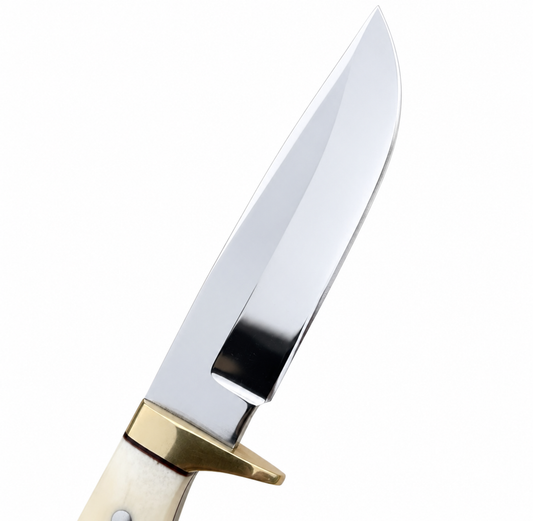
When comparing Skinner Knives, start with the blade profile. A deep sweeping belly creates a different appearance from a narrower drop-point design, while a gut-hook model is immediately recognizable by its upper hook.
Next consider overall proportions. Some shoppers prefer a compact fixed blade with a clean, traditional silhouette. Others are drawn to larger handmade hunting knives with wider blades, heavier guards, decorative handle construction, or more dramatic finishes.
Steel is another useful comparison point. D2 tool steel, carbon steel, and Damascus steel each create a different combination of appearance, construction style, and collector appeal. The exact steel specification should always be checked on the product page.
Handle material can change the personality of the entire piece. Natural bone, horn, wood, and stag-inspired handles tend to complement traditional hunting knife aesthetics, while Micarta and other engineered materials can create a cleaner contemporary look.
For a display-focused purchase, pay attention to pattern, polish, guard design, handle character, and sheath presentation. For shoppers primarily interested in handmade craftsmanship, construction details and the individuality of each piece may be more important than decorative complexity.
Those exploring related styles may also find relevant designs within broader Hunting Knives, Bowie Knives, Collectible Knives, or Custom Orders collections where appropriate.
Why Skinner Designs Appeal to Collectors and Outdoor Enthusiasts
The skinning knife has a particularly recognizable identity within traditional fixed-blade design. Its curved profile makes it easy to distinguish from narrow daggers, long clip-point Bowies, and many straight-backed outdoor knives.
For collectors, that recognizable shape creates room for considerable variation. Two skinners may share the same basic design philosophy yet look entirely different because of blade width, steel pattern, guard shape, handle material, polishing, or sheath construction.
Handmade versions add another layer of character. Small differences created during grinding, fitting, finishing, and natural material selection can give an artisan-made piece an individual appearance.
Skinner designs can also make thoughtful gifts for people interested in handmade knives, outdoor craftsmanship, traditional blade forms, blacksmith work, or distinctive fixed-blade collectibles.
Why Choose Unique Blades Runner
Unique Blades Runner focuses on handmade and artisan-made designs covering traditional, collectible, and distinctive fixed-blade styles. Backed by more than 20 years of craftsmanship experience, the collection reflects long-standing familiarity with forged steel, handle fitting, finishing, and varied blade profiles.
Rather than limiting the range to one appearance, the collection can include different steels, handle materials, blade shapes, sheath styles, and decorative approaches. Custom work may also be available for shoppers seeking particular dimensions, materials, or design details, subject to the requirements of the individual project.
FAQ About Skinner Knives
What makes a knife a skinner?
A skinner is generally recognized by a curved cutting edge with a generous belly and a fixed-blade profile associated with traditional hunting and outdoor knife design. Exact shapes vary between makers and individual styles.
What types of Skinner Knives are available?
Skinner Knives may include traditional curved-blade models, drop-point skinners, gut-hook designs, compact fixed blades, larger hunting skinners, Damascus versions, and handmade collector-focused variations.
What steels are commonly used for handmade skinner knives?
Depending on the individual design, a handmade skinner may use high carbon steel, D2 tool steel, Damascus steel, or another specified blade steel. Check each listing because materials are not identical across the collection.
What is the difference between a skinner and a Bowie knife?
A skinner usually emphasizes a rounded or sweeping cutting belly, while many Bowie knives are associated with longer blades and recognizable clip-point profiles. Handmade designs can overlap stylistically, but their traditional blade shapes remain different.
Are gut-hook knives part of the skinner category?
Yes. Gut-hook designs are commonly associated with hunting and skinning knife styles. They retain the general fixed-blade character of a skinner while adding a distinctive hooked section to the blade profile.
Are handmade skinner knives suitable for collectors?
Yes. Handmade pieces can appeal to collectors because of their individual blade finishes, Damascus patterns, natural handle materials, guards, leather sheaths, and small variations created during artisan production.
How should I compare different Skinner Knives?
Compare blade profile, overall size, steel type, handle material, guard design, finish, sheath style, and whether you prefer a traditional, gut-hook, decorative, or collector-oriented design. Individual listings provide the most accurate specifications.
Explore Traditional and Handmade Skinner Designs
From classic curved profiles and gut-hook variations to D2, carbon steel, and Damascus constructions, this collection brings together several interpretations of the traditional skinner. Shoppers can compare different blade shapes, handle materials, finishes, sizes, and handmade details while choosing Skinner Knives that best match their interest in outdoor heritage, artisan craftsmanship, or collectible fixed-blade design.