
-
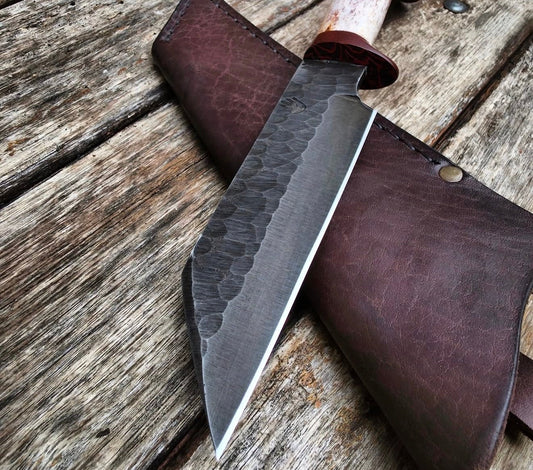
Forged Seax Knife with Antler Handle & Handmade Leather Sheath
Regular price $249.99 USDRegular priceUnit price / per

Collection: Seax Knife
Seax Knife – Handmade Heritage Blades Inspired by History and Craftsmanship
A Seax Knife represents one of the most iconic blade styles in European history, admired today by collectors, history enthusiasts, outdoor adventurers, and lovers of traditional craftsmanship. Rooted in centuries of cultural heritage, this distinctive design continues to attract attention for its clean lines, practical profile, and historical significance. Whether displayed as part of a curated collection, carried during camping activities, or appreciated as an artisan-made piece, the enduring appeal of the seax remains stronger than ever.
At Unique Blades Runner, we proudly offer carefully crafted examples inspired by historical traditions, combining premium materials, skilled workmanship, and timeless design. Our collection celebrates both the artistic and cultural value of these remarkable blades while providing enthusiasts with handcrafted pieces designed to be treasured for years.
The Historical Legacy Behind the Seax Knife
The Seax Knife traces its origins to the early Germanic and Anglo-Saxon peoples of Northern Europe. Dating back well over a thousand years, the seax became an important everyday tool and cultural symbol throughout regions that now include England, Germany, Scandinavia, and surrounding territories.
The word "seax" itself is believed to have influenced the name of the Saxons, one of the most significant Germanic tribes in European history. Historical discoveries reveal that seax blades were carried by individuals from various social backgrounds and often reflected the craftsmanship and artistic traditions of their era.
Many archaeological finds showcase beautifully forged examples featuring intricate patterns, decorative fittings, and carefully crafted handles. These discoveries continue to inspire modern artisans who recreate and reinterpret traditional designs for today's collectors and enthusiasts.
As interest in Viking history, medieval culture, historical reenactment, and traditional blacksmithing continues to grow, the Seax Knife remains one of the most searched and collected heritage blade styles worldwide.
Features and Characteristics That Define the Seax Design
The appeal of the Seax Knife lies in its distinctive appearance and practical elegance. While styles vary depending on historical period and region, several defining characteristics make this design instantly recognizable.
A. Straight or slightly angled blade profile
B. Strong spine with a clean geometric appearance
C. Comfortable natural-material handles
D. Handmade leather sheaths for storage and display
E. Traditional forging techniques inspired by historical examples
F. Balanced construction emphasizing craftsmanship and durability
Unlike many modern designs, the seax focuses on simplicity and functionality while maintaining a striking visual identity. This combination makes it especially attractive to collectors who appreciate authentic historical inspiration.
Why Collectors and Enthusiasts Love This Category
Collectors often seek pieces that tell a story, and few blade designs offer a richer historical narrative than the Seax Knife. Every handcrafted piece reflects centuries of cultural development and artisan tradition.
Many enthusiasts are drawn to this category because it connects them with:
A. Anglo-Saxon history
B. Viking-era culture
C. Traditional blacksmithing techniques
D. Historical craftsmanship
E. Medieval collecting communities
F. Heritage-inspired artisan products
The growing popularity of historical documentaries, museums, medieval festivals, and cultural exhibitions has also increased interest in authentic-looking seax designs. Many collectors enjoy displaying these pieces alongside other heritage-inspired items such as Viking axes, medieval daggers, historical swords, and handcrafted leather accessories.
For outdoor enthusiasts, traditional blade styles offer an additional connection to nature, camping culture, and handmade craftsmanship that mass-produced products often cannot replicate.
Understanding the Growing Search Demand
Search trends show increasing interest in historical knives, Viking-inspired blades, handmade forged knives, collectible knives, and artisan-crafted outdoor gear. Many buyers begin their search with questions such as:
A. What is a seax knife?
B. What did Vikings use seax knives for?
C. Is a seax knife historical?
D. What makes a traditional seax different?
E. Which seax knife style is best for collectors?
These informational searches often lead buyers toward premium handcrafted products that combine authenticity, craftsmanship, and historical inspiration.
Because the category appeals to both collectors and outdoor enthusiasts, it serves multiple search intents simultaneously, helping it maintain strong relevance in modern search results.
A Buying Guide for Choosing the Right Seax
Selecting the right Seax Knife depends largely on your interests, collecting goals, and preferred style.
A. Consider Historical Inspiration
Some designs closely follow archaeological discoveries, while others incorporate modern artistic interpretations. Choose the level of historical accuracy that best matches your collection.
B. Evaluate Blade Materials
High carbon steel, Damascus steel, and modern tool steels each offer unique visual characteristics and performance qualities.
C. Examine Handle Materials
Popular choices include:
A. Stag antler
B. Walnut wood
C. Rosewood
D. Camel bone
E. Micarta
F. Exotic hardwoods
Natural materials often provide unique visual patterns that make every piece one-of-a-kind.
D. Check Craftsmanship Details
Look for:
A. Clean grind lines
B. Precise fitting
C. Quality sheath construction
D. Consistent finishing
E. Attention to historical details
E. Match the Piece to Your Collection
Some collectors focus on Viking-inspired designs, while others prefer Anglo-Saxon, Norse, or broader medieval themes.
Popular Variations and Styles
The world of historical blades includes numerous fascinating variations of the Seax Knife, each offering its own visual appeal.
A. Broken-Back Seax
Recognized for its distinctive angular point and geometric profile.
B. Long Seax
Features an extended blade inspired by larger historical examples.
C. Anglo-Saxon Seax
Based on archaeological finds from early medieval England.
D. Viking-Inspired Seax
Popular among enthusiasts interested in Norse culture and Scandinavian history.
E. Damascus Seax
Combines traditional design with visually striking layered steel patterns.
F. Custom Artisan Seax
Handmade interpretations featuring unique materials and decorative elements.
These variations allow collectors to build diverse collections while staying within a single historical category.
Why Choose Unique Blades Runner
Unique Blades Runner has earned recognition among collectors and enthusiasts by focusing on craftsmanship, authenticity, and customer satisfaction.
Our philosophy centers on creating products that celebrate heritage, artistry, and traditional blacksmithing rather than mass production.
When you shop with us, you benefit from:
A. Skilled artisan craftsmanship
B. Carefully selected materials
C. Handmade leather accessories
D. Attention to historical inspiration
E. Unique designs unavailable in large retail chains
F. Years of forging experience
G. Worldwide shipping options
H. Collector-focused product selection
We understand that buyers seeking heritage-inspired products value authenticity and craftsmanship above all else. Every piece reflects that commitment.
Quality, Craftsmanship, and Materials
The finest examples of the Seax Knife showcase the skill of experienced artisans who understand both historical design and modern manufacturing standards.
Quality craftsmanship begins with material selection. Premium steels, natural handle materials, and durable leather components create a foundation for exceptional finished products.
Artisan-made pieces often involve:
A. Hand forging
B. Precision grinding
C. Detailed finishing
D. Custom fitting
E. Hand-stitched leatherwork
F. Individual quality inspection
Unlike factory-produced alternatives, handcrafted items often display subtle variations that make each piece unique. These characteristics are highly valued among collectors who appreciate originality and artisan workmanship.
Many enthusiasts specifically seek handmade forged knives because they represent a direct connection between maker and finished product. This personal element contributes significantly to the lasting appeal of the category.
The Future of Heritage Blade Collecting
Interest in traditional craftsmanship continues to expand as consumers increasingly value authenticity, handmade products, and historical connections. Modern buyers often seek meaningful objects that reflect cultural heritage and artisan skill rather than disposable mass-market goods.
This trend has contributed to growing demand for historically inspired blades, custom forged knives, artisan leatherwork, and collectible outdoor gear.
As educational content, historical research, museums, and cultural communities continue to expand online, the Seax Knife remains positioned as one of the most respected and recognizable heritage blade styles available today.
For collectors, history enthusiasts, and admirers of traditional craftsmanship, few designs offer the same combination of historical significance, artistic beauty, and enduring appeal.
Frequently Asked Questions
Q: What is a Seax Knife?
A: A seax is a traditional blade style originating from early Germanic and Anglo-Saxon cultures, known for its distinctive straight-backed profile and historical significance.
Q: Is the seax connected to Viking history?
A: Yes. Various seax designs were used throughout Northern Europe during periods associated with Viking and Norse culture.
Q: Why is the seax popular among collectors?
A: Collectors appreciate its rich history, unique shape, and connection to early medieval craftsmanship.
Q: What materials are commonly used in handmade seax designs?
A: High carbon steel, Damascus steel, wood, antler, bone, and leather are among the most popular materials.
Q: What is a broken-back seax?
A: It is a variation featuring an angled point that creates a distinctive geometric blade profile.
Q: Are handmade seax knives unique?
A: Yes. Natural materials and handcrafted production methods often make each piece slightly different.
Q: What is the difference between a seax and a modern outdoor knife?
A: The seax is based on historical designs and heritage craftsmanship, while many modern outdoor knives prioritize contemporary styling and materials.
Q: What should I look for when buying a collectible seax?
A: Consider craftsmanship quality, materials, historical inspiration, sheath construction, and overall finishing details.
Q: Are Damascus seax designs popular?
A: Yes. Damascus patterns add visual character and are highly sought after by collectors.
Q: Why are historical blade designs still popular today?
A: They combine cultural heritage, artisan craftsmanship, and timeless design, making them appealing to collectors and enthusiasts worldwide.