Choosing Everyday Carry Knives: Folding or Fixed Blade
An everyday knife is the one you actually have with you when something needs cutting. The first decision is whether it folds. A folding knife closes into its handle and rides in a pocket, so it's easy to carry all day without noticing it. A small fixed blade has no moving parts, so it's stronger, faster to use and easier to clean, but it rides in a sheath on your belt or around your neck. Many people carry a folder daily and keep a small fixed blade for outdoor and workshop jobs.
Folding and Pocket Knives
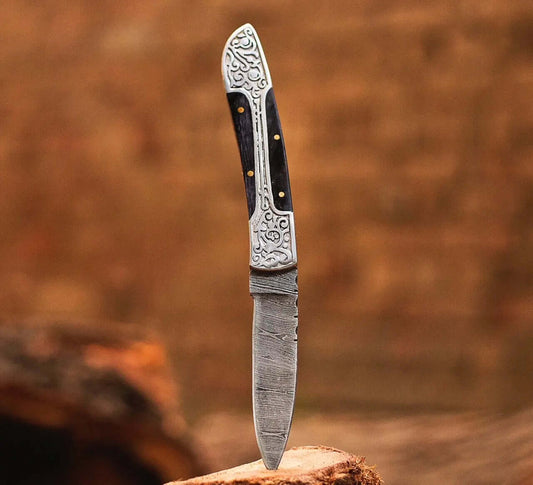
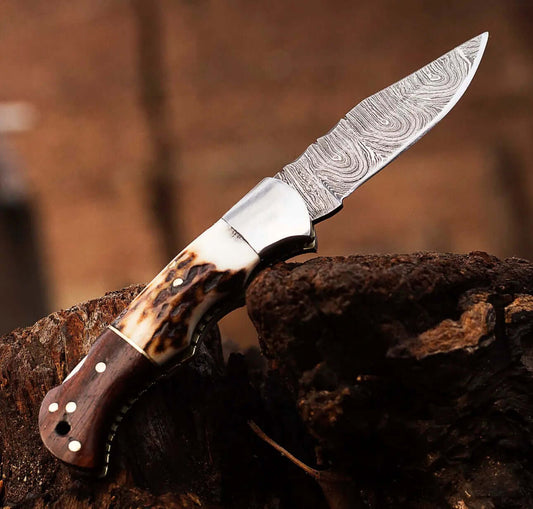
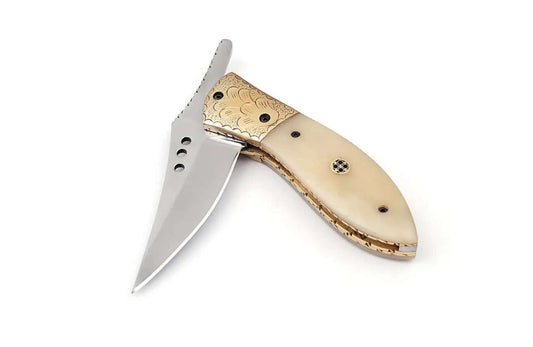
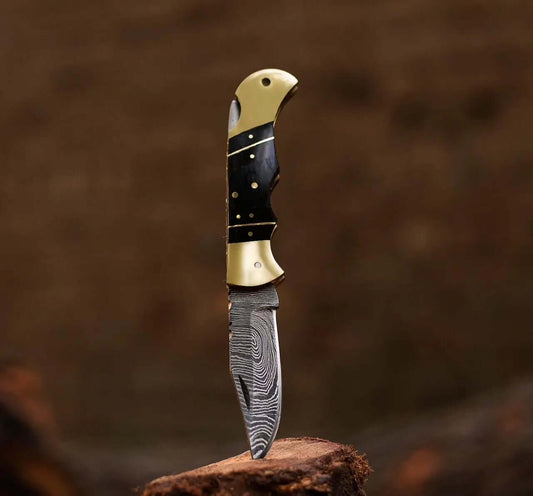
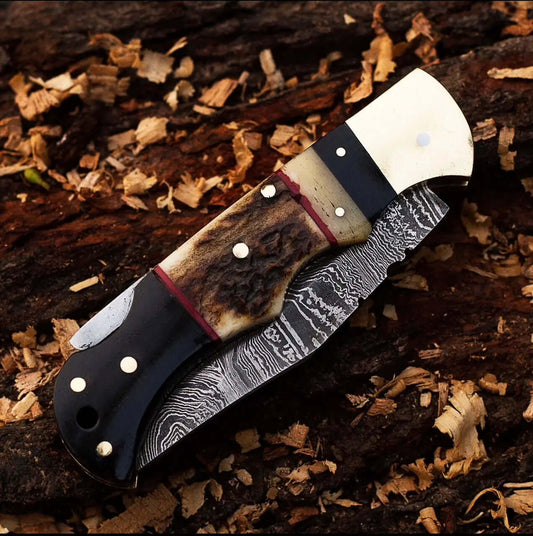
Pocket knives cover a wide range of styles, from slim gentleman's folders with polished bolsters to sturdy work knives built for daily use. Browse them in our folding and pocket knives, or see the patterned blades in our Damascus pocket knives.
Lock Types
How a folder holds its blade open shapes how you use it. A slip joint has no lock: a back spring keeps the blade open, which keeps the knife simple and traditional. A lockback uses a rocker bar along the spine that holds the blade firmly until you press it down. A liner lock uses a thin metal leaf inside the handle that springs behind the open blade and lets you close it with one hand. A frame lock works the same way, but uses part of the handle itself for a heavier, stronger lock. For hard cutting, a locking blade adds security. For light tasks, a slip joint is often all you need.
Single-Blade, Multi-Blade and Pen Knives
Single-blade folders are the simplest and most common everyday choice. Multi-blade pocket knives combine two or three blades, such as a clip point and a smaller pen blade, so one knife covers both general cutting and fine work. Some add tools like a corkscrew or bottle opener. Pen knives are small, slim folders sized for light jobs like opening letters and trimming thread.
Small Fixed-Blade EDC Knives
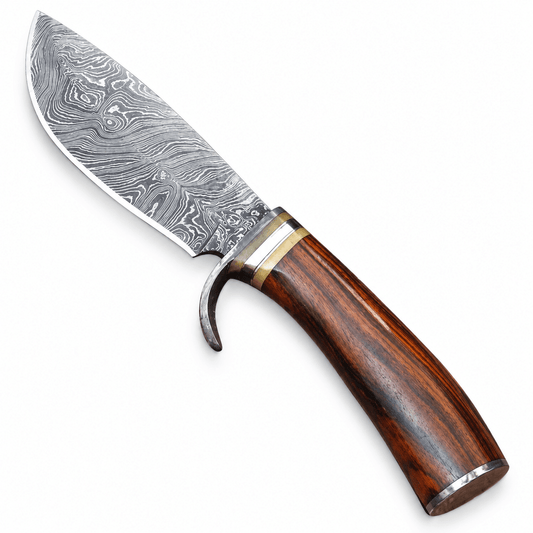
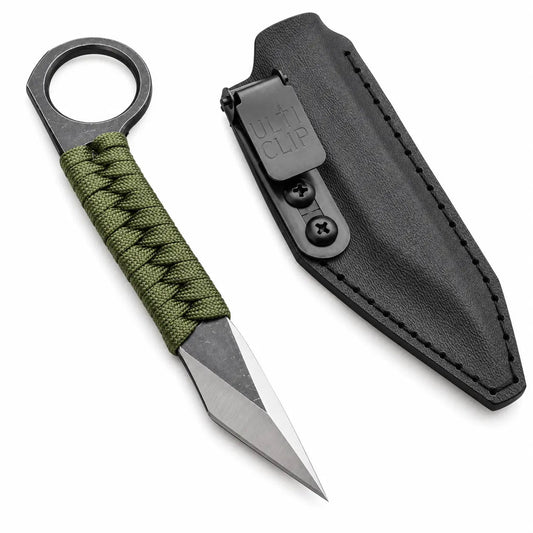
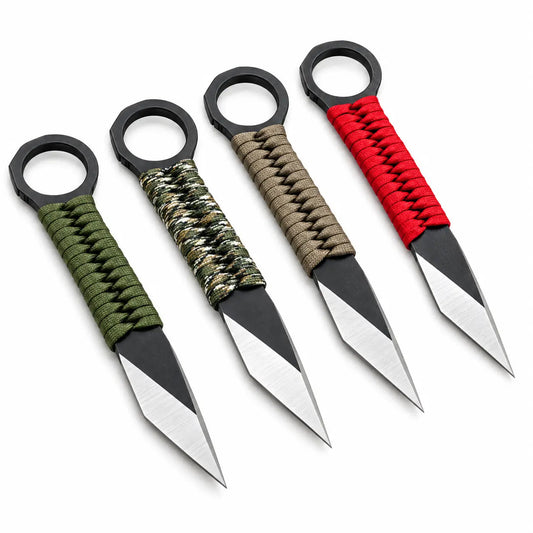
A compact fixed blade gives you full-knife strength in a size you can carry every day. Most have blades of about 3 to 4 inches, a full tang for strength and a handle shaped for a secure grip, sometimes with a finger ring or a paracord wrap. Neck knives are a smaller version made to hang from a cord, keeping a short blade within easy reach when you're working outdoors. Fixed blades are quick to clean after food or game and stand up to heavier cutting than most folders.
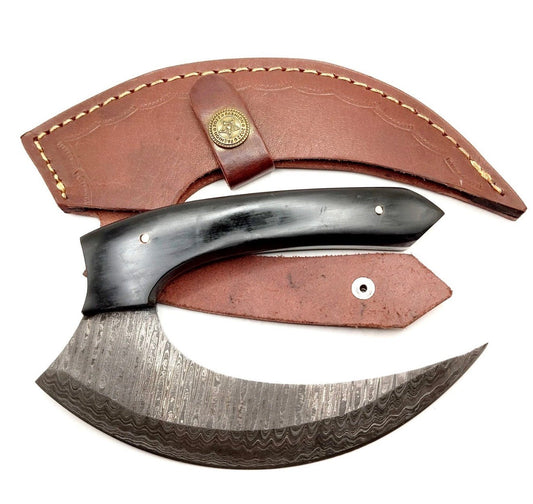
Ulu Knives
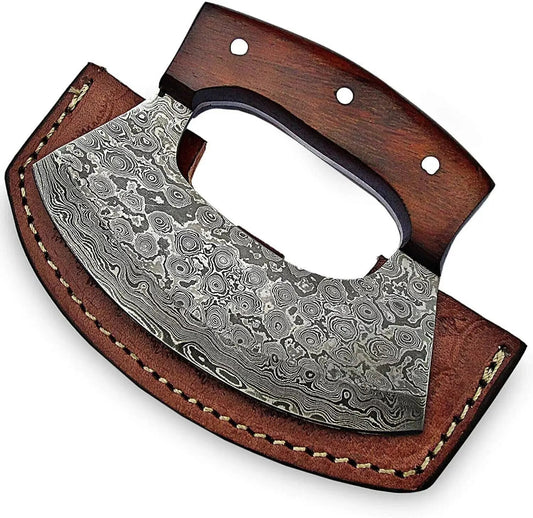
The ulu is a traditional Inuit and Alaskan knife with a crescent-shaped blade and a handle set above the edge. You cut by rocking the blade or pressing straight down, with your hand directly over the work. That makes it handy for chopping vegetables and herbs, mincing, slicing meat, cutting pizza and skinning. Ulus come in small sizes for kitchen prep and larger sizes for heavier camp and game work. Explore them in our ulu knives.
Blade Shapes for Everyday Tasks
A drop point is the most versatile everyday shape, with a strong, slightly lowered tip and a curved belly for slicing. A clip point has a thinner, sharper tip for detail work. A tanto has an angled, reinforced tip suited to piercing tough materials like cardboard and plastic packaging; compare them in our tanto knives. Sheepsfoot and wharncliffe blades have straight edges and a dropped tip that is easy to control and less likely to slip during utility cuts. Cleaver-style folders put a tall, squared blade in a pocket-sized knife for food prep and chopping.
Blade Steels for Daily Carry
Damascus steel is made by layering and welding different steels, so each blade shows its own flowing pattern. It takes a keen edge and suits a knife you'll carry and show off. High carbon steels such as 1095 are tough and easy to sharpen, and they build a gray patina with use. D2 is a semi-stainless tool steel with long edge life and better rust resistance than plain carbon steel. Stainless steels such as 440C need the least care, which helps a knife that gets damp in a pocket or kitchen. Carbon steel and most Damascus last longest when kept dry and lightly oiled.
Handle Materials and Feel
Stag and horn give a natural, textured grip that wears in with handling. Bone is smooth and light in color and takes dye and engraving well. Wood is warm in the hand, with rosewood, walnut, wenge and dyed woods each bringing a different color and grain. Micarta, made from layers of fabric set in resin, stays grippy when wet and resists cracking. Resin handles add bold color and stand up well to moisture. Paracord wraps are light, grippy and easy to replace. For hard daily use, synthetic handles are the practical pick. For a pocket knife you plan to keep for years, natural materials age with more character.
Size and Weight for Everyday Carry
For a pocket knife, a blade of about 2.5 to 3.5 inches handles most daily jobs without making the knife bulky. Check the closed length to see how it will sit in your pocket. For fixed blades, the overall length decides how comfortably the sheath rides on a belt. Lighter knives get carried more often, and an everyday knife only helps when it's with you.
Keeping an Everyday Knife in Shape
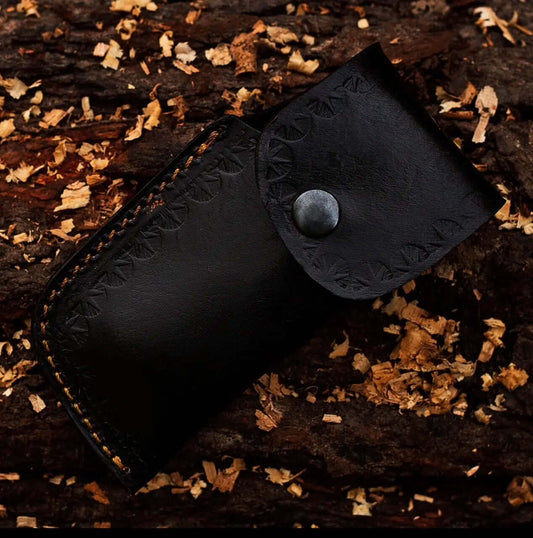
Wipe the blade after cutting food or anything sticky, dry it fully and give carbon steel and Damascus a light coat of oil. On folders, clear lint out of the handle now and then and add a drop of oil at the pivot so the blade opens smoothly. Hone the edge lightly and often instead of waiting for it to go dull. Don't store a damp knife in a leather sheath, because leather holds moisture against the steel.
Compare folders, compact fixed blades and ulus above to find the everyday knife that fits the way you work.